The Importance of Understanding UK Inflation
Inflation is a critical economic indicator, reflecting the rise in average prices for goods and services over time. In the UK, inflation levels have garnered significant attention in recent months due to their implications for household spending, interest rates, and overall economic health. As the cost of living continues to pose challenges for many citizens, it is essential to analyse the current trends in UK inflation and understand their broader impacts.
Recent Trends in UK Inflation
As of October 2023, the UK’s Consumer Prices Index (CPI) inflation rate stands at approximately 6.7%. This figure follows a period of elevated inflation rates that peaked over 11% in late 2022, a consequence of various factors including the aftermath of the COVID-19 pandemic, supply chain disruptions, and the energy crisis exacerbated by geopolitical tensions.
One of the significant contributors to the recent inflation rate has been rising food prices, which have surged by around 13% over the past year. Additionally, energy prices have remained stubbornly high, with gas and electricity costs influencing household budgets across the nation.
Impacts of Inflation on the Economy
The effect of inflation on the UK economy is multifaceted. For consumers, high inflation reduces purchasing power, making everyday necessities more expensive. The Bank of England has responded to these pressures by increasing the base interest rate to combat inflation; current rates are set at 5.25%. While this move aims to stabilise prices, it has also led to increased borrowing costs, affecting individuals and businesses alike.
Moreover, inflation can inhibit economic growth as consumers may cut back on spending due to rising costs. This scenario creates a feedback loop where decreased spending further hampers economic performance. Experts caution that prolonged inflation could signal a more entrenched economic challenge, requiring sustained interventions from policymakers.
Conclusion: The Road Ahead
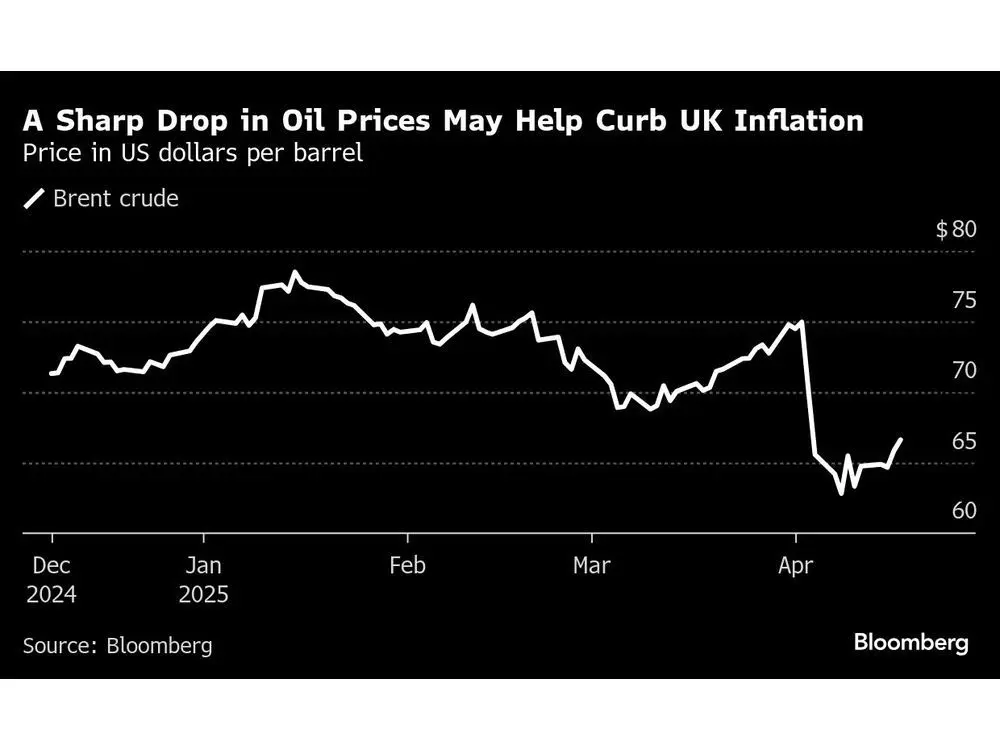
Moving forward, the trajectory of UK inflation remains uncertain. Analysts project that inflation could gradually decline over the next year as supply chain issues stabilise and energy prices recede. However, economic shocks or persistent wage growth could keep inflation levels elevated.
For consumers and businesses, staying informed about inflation trends is crucial as these forces shape financial decisions and economic strategies. The path to economic stability will involve considerable monitoring and potential flexibility in fiscal policies to navigate the changing landscape. Understanding inflation’s implications is paramount for making informed decisions in uncertain times.