Introduction
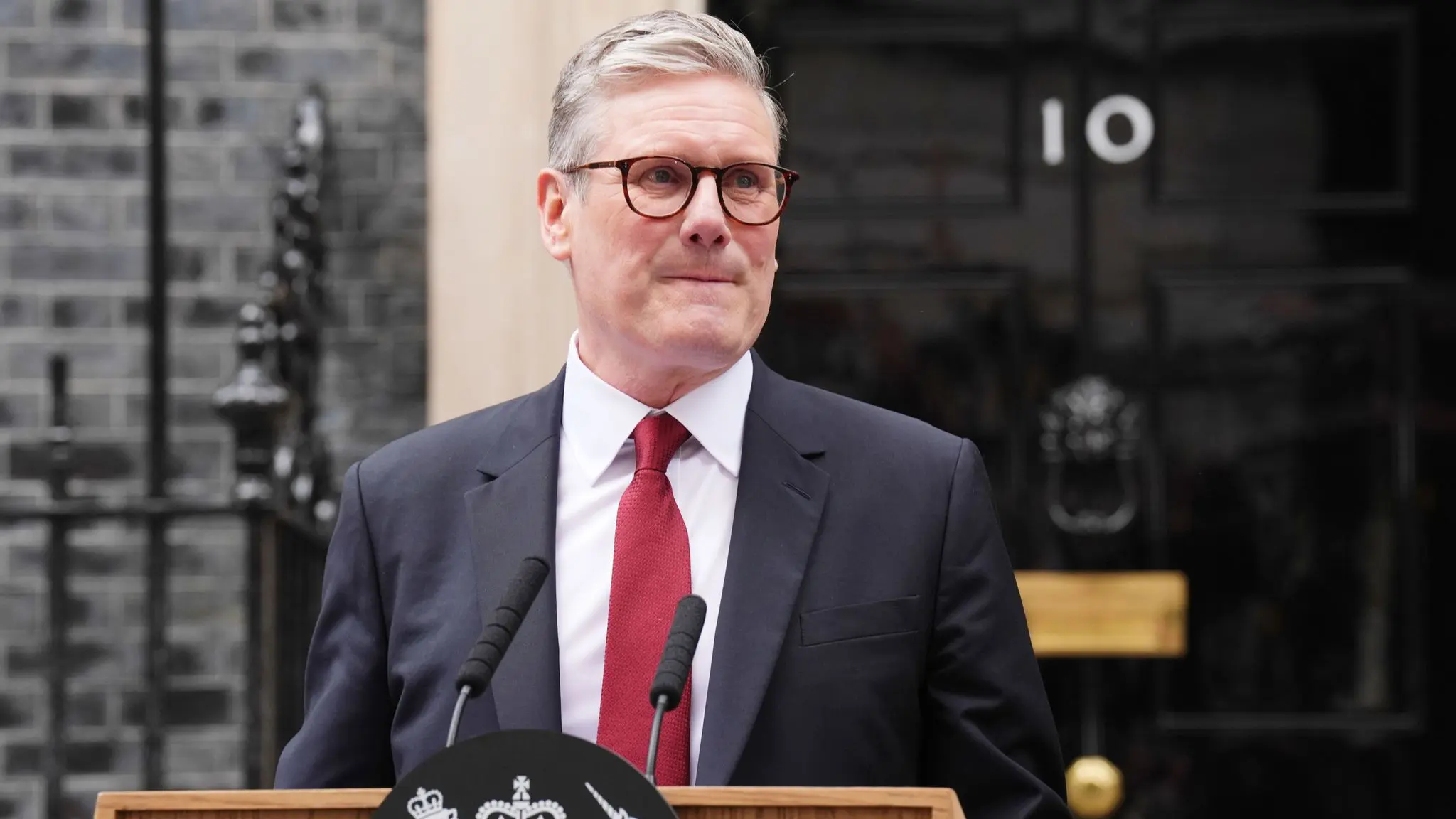
Keir Starmer, the leader of the Labour Party, has emerged as a significant player in the UK’s political landscape. Since his appointment in April 2020, Starmer has been working diligently to rebrand and revitalise the party after its defeat in the 2019 general elections. His leadership is critical not only for the future of Labour but also for the overall political direction of the country as the next general election approaches.
Starmer’s Leadership Style and Challenges
Keir Starmer’s approach has focused on promoting unity and clarity within the party, aiming to move past the divisions that characterised Jeremy Corbyn’s leadership. Emphasising professionalism and policy over personal ideology, Starmer has sought to appeal to a broader electorate. Recently, he has faced significant challenges, including economic pressures stemming from the ongoing cost of living crisis, the aftermath of Brexit, and rising concerns over national security, particularly in light of recent global tensions.
Policy Initiatives
In his pursuit of setting Labour’s agenda, Starmer has highlighted several key policy areas. Among these is a commitment to tackling climate change, with ambitious targets for reducing carbon emissions. He has also prioritised healthcare, vowing to strengthen the National Health Service (NHS) and restore public trust following the strain caused by the Covid-19 pandemic. Furthermore, his plans for economic revival aim to address the inequalities exposed by recent socioeconomic challenges, proposing investments in green jobs and infrastructure.
Public Perception and Polling
Public opinion on Keir Starmer appears to be mixed as of October 2023. While recent polls indicate a slight rebound for Labour, with some surveys showing them leading over the Conservative Party, concerns about Starmer’s charisma and effectiveness as a leader linger. Critics point out that he needs to communicate his vision more convincingly to connect with voters on a personal level.
Conclusion
As the UK approaches its next general election, Keir Starmer’s role as Labour leader is more crucial than ever. His ability to consolidate party support, articulate compelling policies, and connect with the electorate will largely determine not just Labour’s fortunes but also the direction of UK politics. The coming months will be pivotal as Starmer works to solidify his position, confront challenges head-on, and present a credible alternative to the current government. For voters and political observers alike, Keir Starmer remains a central figure worth watching in the unfolding drama of British politics.