Introduction
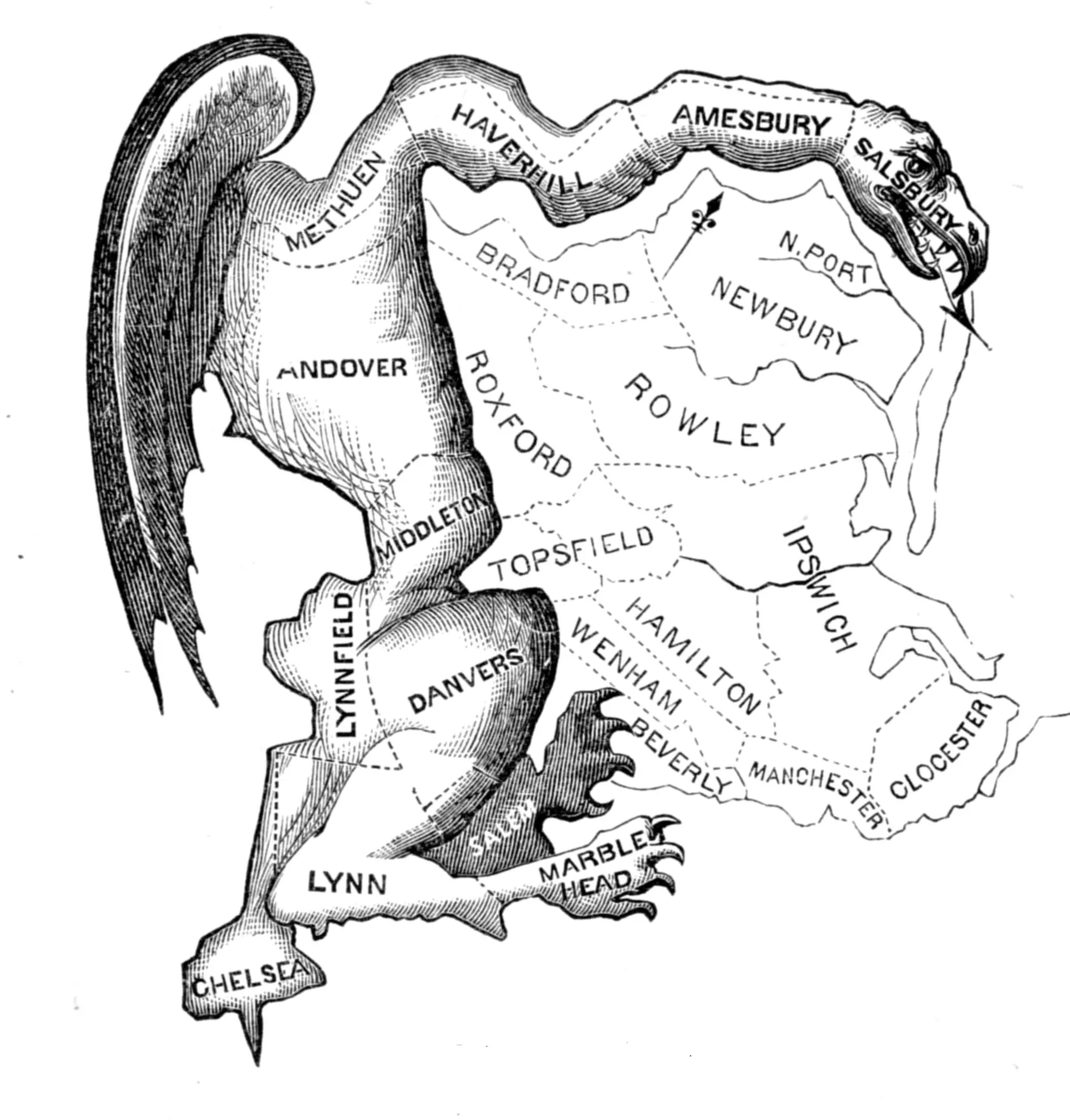
Gerrymandering, the manipulation of electoral district boundaries to favour a particular political party, has historically been a contentious issue in many countries, including the United Kingdom. As the nation prepares for future elections, understanding gerrymandering’s implications on democracy and representation becomes increasingly important. This practice threatens the integrity of the electoral process by diluting votes and skewing political power, raising questions about fairness and accountability.
Recent Developments
In 2023, analysis of recent constituency boundary changes revealed mounting concerns among political analysts and civil rights advocates about potential gerrymandering in upcoming elections. The Boundary Commissions for England, Wales, Scotland, and Northern Ireland regularly review and propose adjustments to constituencies to reflect population changes. However, critics have argued that some proposals could disproportionately advantage specific political parties.
For instance, a report released in September by the Electoral Commission indicated that the redistribution of seats following the 2021 Census has prompted challenges from several stakeholders, including minor parties. These stakeholders claim that certain areas have been drawn to ensure major parties maintain their control, thus disenfranchising a significant portion of the electorate.
Consequences of Gerrymandering
The implications of gerrymandering are profound. It can lead to a lack of competition in elections, as districts engineered to favour a single party significantly undermine the efforts of opposition candidates. Voter apathy can also rise, as individuals feel their votes may not count under such distorted conditions. Furthermore, the inequity created by gerrymandering can erode public trust in the political system, as citizens perceive elections to be rigged in favour of established powers.
What Can Be Done?
As discussions about gerrymandering gain traction in the UK, several reform proposals have emerged. Initiatives advocating for independent redistricting commissions aim to establish a non-partisan approach to constituency boundaries, contributing to fairer representation. In addition, reforms promoting transparency in the boundary-drawing process and involving local communities could help ensure that changes reflect the actual demographics of the areas they represent.
Conclusion
Gerrymandering remains a significant issue that could impact the UK’s democratic processes in the coming elections. It is crucial for voters to remain informed about these boundaries and for policymakers to consider reforms that promote fairness and accountability in electoral representation. The future electoral landscape may depend on the actions taken today to combat the undermining of democratic principles by gerrymandering.