Introduction
Bipolar disorder, a mental health condition characterized by extreme mood swings, is of increasing relevance in today’s fast-paced and stressful environment. With millions affected globally, understanding the symptoms, treatment options, and coping strategies is crucial, not only for those diagnosed but also for their families, friends, and the broader community.
What is Bipolar Disorder?
Bipolar disorder, previously known as manic-depressive illness, is marked by alternating periods of mania (elevated mood) and depression (low mood). These mood shifts can affect sleep, energy levels, and functionality, complicating daily life. According to the World Health Organization (WHO), approximately 45 million people worldwide are living with bipolar disorder, highlighting its global prevalence and importance in mental health discussions.
Types of Bipolar Disorder
There are mainly three types of bipolar disorder, as classified by mental health specialists:
- Bipolar I Disorder: Defined by manic episodes lasting at least seven days or by manic symptoms that are so severe that immediate hospital care is necessary. Depressive episodes are also common.
- Bipolar II Disorder: Characterised by a pattern of depressive episodes and hypomanic episodes, but not the full-blown manic episodes that are typical of Bipolar I.
- Cyclothymic Disorder: A milder form of bipolar disorder, involving numerous periods of hypomanic symptoms as well as periods of depressive symptoms lasting for at least two years (one year in children and adolescents).
Symptoms and Diagnosis
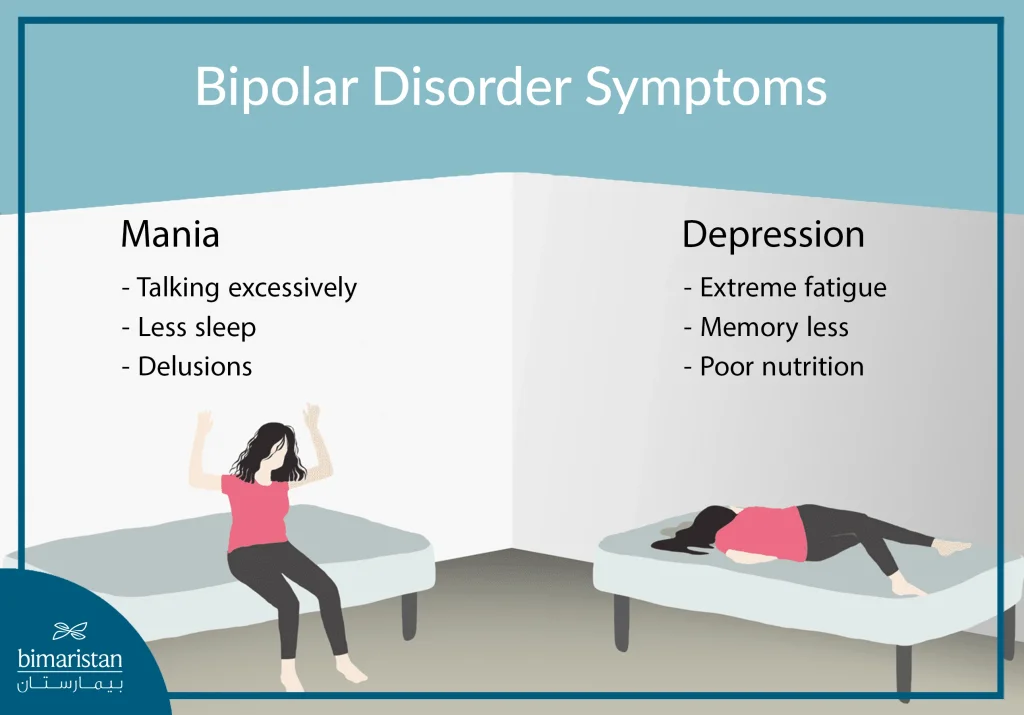
The symptoms of bipolar disorder can vary widely and may include mood changes, changes in sleep patterns, speech patterns, and activity levels. Diagnosis typically involves a thorough examination by a healthcare provider, including history-taking and assessments, as no definitive test exists to diagnose bipolar disorder.
Treatment Options
Effective treatment for bipolar disorder often involves a combination of medication, psychotherapy, and lifestyle changes. Medications such as mood stabilisers and antipsychotics are commonly prescribed to manage symptoms. Psychotherapy approaches, like cognitive-behavioural therapy (CBT), can help individuals cope with the disorder and develop effective management strategies.
Conclusion
Understanding bipolar disorder is essential for fostering empathy and support for those affected by the condition. As mental health awareness grows, so does the importance of recognising and addressing bipolar disorder. Early intervention, treatment, and ongoing support can significantly improve the quality of life for those diagnosed. As ongoing research continues to shed light on effective management strategies, the mental health community remains hopeful for advances in treatment and understanding of bipolar disorder.