Introduction
Ivory Coast, a West African nation known for its rich cultural heritage and booming economy, is garnering attention on the global stage. With a population exceeding 26 million people, this country boasts a diverse landscape and a wealth of natural resources. Increasing investments and a burgeoning agricultural sector underscore its importance as a significant player in the region’s development. Understanding Ivory Coast’s current trends is crucial for stakeholders in trade, tourism, and diplomatic relations.
Economic Landscape
As of 2023, Ivory Coast stands as one of Africa’s fastest-growing economies, with an expected growth rate of around 8% this year. The nation is the world’s largest exporter of cocoa, a critical component of the global chocolate industry, and also ranks among the top producers of cashews and palm oil. The government’s efforts to diversify the economy beyond agriculture have led to increased investments in sectors such as energy, telecommunications, and infrastructure projects.
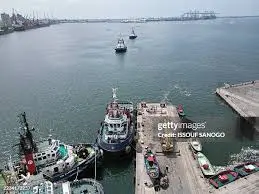
Moreover, the Ivory Coast has recently seen a surge in foreign direct investments (FDI), particularly from European and Chinese investors aiming to leverage its emerging market potential. Key projects, including transportation upgrades and energy generation, reflect a commitment to enhancing the economic framework and promoting sustainable growth.
Cultural Richness and Diversity
Culturally, Ivory Coast is a mosaic of ethnic groups, including the Akan, Krou, and Mandé peoples, each contributing to the vibrant array of traditions, languages, and festivals. The country’s official language is French, however, more than 60 indigenous languages are also spoken, highlighting its rich cultural diversity.
Notable cultural events, such as the Fête des Masques in the town of Man, showcase traditional dance and mask performances and attract both tourists and locals. Additionally, the culinary scene, renowned for its delicious dishes like attiéké and garba, represents the melding of different cultural influences.
Current Events and Challenges
In recent months, Ivory Coast has faced challenges, including political tensions and environmental concerns that threaten its agricultural sector. The government remains focused on maintaining stability and addressing issues of food security and climate change. International partnerships and local initiatives aimed at sustainable practices are underway to mitigate these risks.
Conclusion
In summary, Ivory Coast’s blend of economic dynamism and cultural vibrancy makes it a key player in West Africa. With ongoing growth and development, this country is poised to play an increasingly vital role in regional stability and prosperity. For businesses, investors, and tourists, understanding the current trends in Ivory Coast is essential for leveraging the opportunities this remarkable nation has to offer.