Introduction
Jimi Hendrix, one of the most iconic figures in rock music, is known not only for his revolutionary guitar skills but also for his philosophical approach to music and life. One of the most compelling concepts associated with Hendrix is the idea of the ‘Electric Church’. This term encapsulates his vision of music as a universal, spiritual experience that transcends traditional boundaries. The relevance of the Electric Church continues to resonate in contemporary culture, influencing countless artists and musicians worldwide.
The Concept of Electric Church
Hendrix himself described the Electric Church as a place where music brings people together, fostering a sense of community and unity. He believed that music could elevate the human spirit and connect people from all walks of life. This belief was vividly showcased during his performances, particularly at the 1969 Woodstock Festival, where his rendition of ‘The Star-Spangled Banner’ became a powerful statement of peace and love amidst the chaos of the era. Hendrix illustrated the profound role of music as a conduit for social change, especially during the tumultuous 1960s.
Events and Cultural Significance
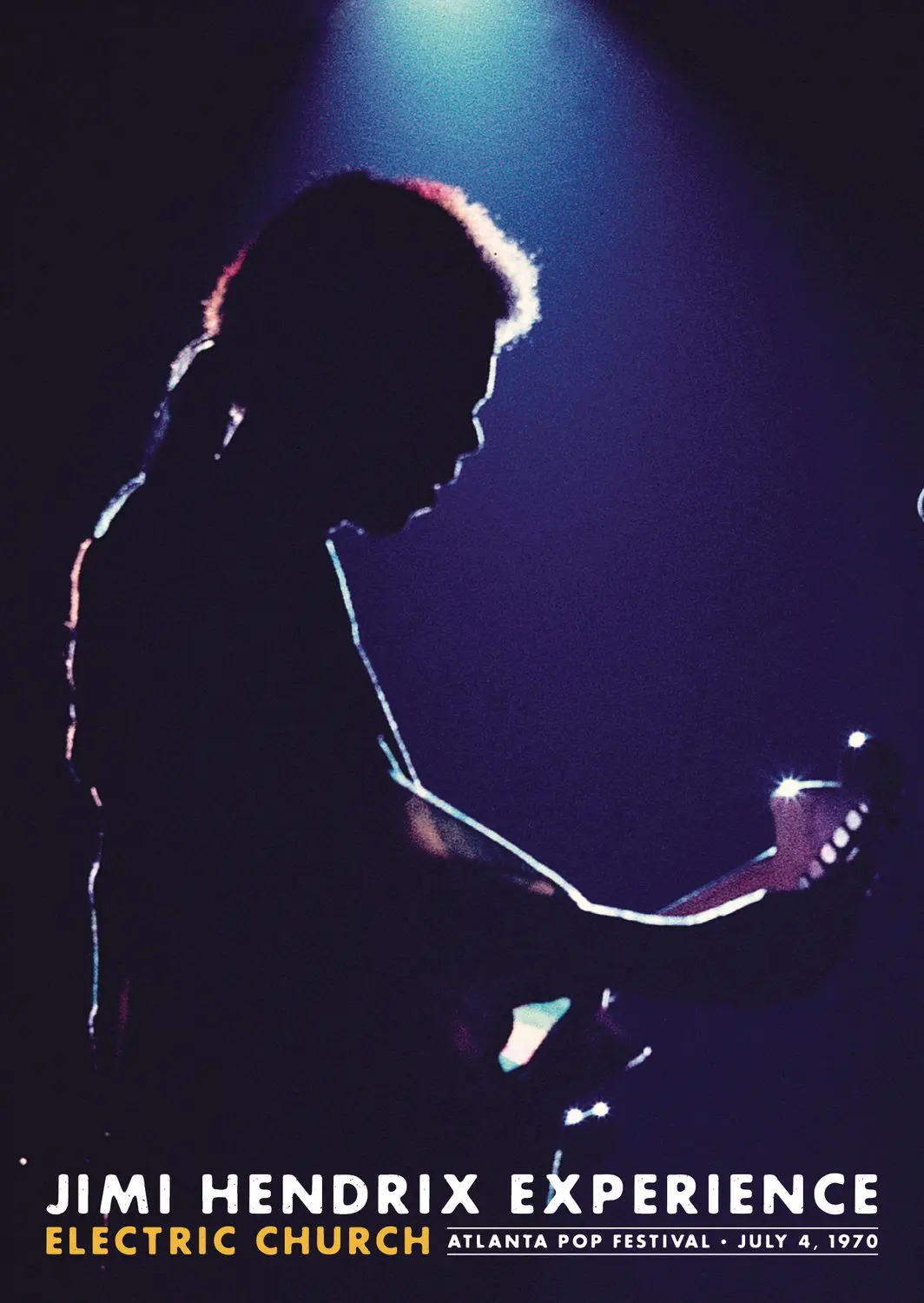
The Electric Church became more than just a metaphor; it evolved into a cultural phenomenon that emerged from the counter-culture movement of the 1960s. With artists likeJanis Joplin and The Who, Hendrix’s Electric Church embodied a collective yearning for liberation, self-expression, and a rebellion against societal norms. In more recent times, the idea has been revisited by modern musicians and filmmakers. The 2015 documentary ‘Jimi Hendrix: Electric Church’ explores this concept in-depth, showcasing how Hendrix’s music and philosophy remain relevant today.
The Ongoing Influence
Hendrix’s legacy persists as new generations discover his music, and the notion of the Electric Church continues to inspire artists across genres. Parameters of music festivals have expanded, promoting inclusivity and diverse voices, invoking that same spirit that Hendrix so fervently embraced. Additionally, the current trend of blending genres and experimenting with sounds can be traced back to Hendrix’s groundbreaking approach to music, where he saw no limits in artistic expression.
Conclusion
In conclusion, Jimi Hendrix’s Electric Church represents not just a musical ethos but a profound cultural narrative that emphasises unity and connection through art. As contemporary society grapples with ongoing social issues, the call for a collective ‘Electric Church’ where music unites becomes more significant than ever. Hendrix’s vision encourages us to seek common ground amidst diversity, reminding us of the power art holds to influence and heal. As we celebrate his legacy, it is essential to disseminate this message to ensure the continuation of his transformative spirit in the music industry and beyond.