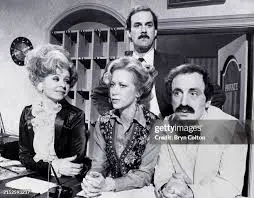
Introduction to Fawlty Towers
Fawlty Towers, the beloved British sitcom created by John Cleese and Connie Booth, remains a significant landmark in television history. First airing in 1975, this comedy series is remembered for its sharp wit, memorable characters, and timeless humour. Even decades after its original release, Fawlty Towers holds a special place in the hearts of audiences worldwide, influencing countless comedic works and remains relevant in discussions about television classics.
The Premise and Characters
Set in a dysfunctional hotel in Torquay, England, Fawlty Towers revolves around the abrasive and rude owner Basil Fawlty, played by John Cleese, his domineering wife Sybil, portrayed by Prunella Scales, and the hapless staff, including Manuel, a Spanish waiter, and Polly, the resourceful maid. The series comprises just two seasons, totaling 12 episodes, but its impact is far-reaching. With its unique blend of slapstick and situational comedy, it deftly explores themes of social class and miscommunication.
The Legacy of Fawlty Towers
Despite its brief run, Fawlty Towers has received critical acclaim and numerous awards. It consistently ranks highly in polls for the greatest British television programmes of all time. The show’s ability to resonate with audiences is attributed to its clever writing and superb performances, making it a rich source for both humour and character study. Furthermore, the series has seen a resurgence in popularity, with new generations discovering the antics of Basil and his mismanaged establishment through streaming services.
Current Relevance
In an era where sitcoms are evolving but often rely on formulaic approaches, Fawlty Towers stands as a testament to the power of character-driven comedy. The discussions around a potential revival have sparked debates among fans and critics alike. While Cleese has expressed interest in revisiting the classic format, many wonder how the show could adapt to modern sensibilities without losing its original charm.
Conclusion
Fawlty Towers remains a pivotal part of British comedic culture, known not just for its laughter but for its influential place in television history. As audiences continue to celebrate its brilliance, the series serves as a reminder of the enduring power of smart comedy. With ongoing discussions about a revival, there exists potential for both nostalgia and innovation in capturing the essence of Fawlty Towers while addressing the contemporary landscape. Regardless of what lies ahead, Basil Fawlty’s legacy will surely endure.