What is an Indian Summer?
Indian summer is a meteorological term that refers to a period of unseasonably warm and dry weather that occurs in autumn. This phenomenon typically arises after the first frost and is characterised by higher-than-average temperatures, often enjoyed in part by those in the UK. Understanding this weather pattern is significant as it affects not only autumn foliage but also various aspects of everyday life, including energy consumption and outdoor activities.
Current Trends in UK Weather
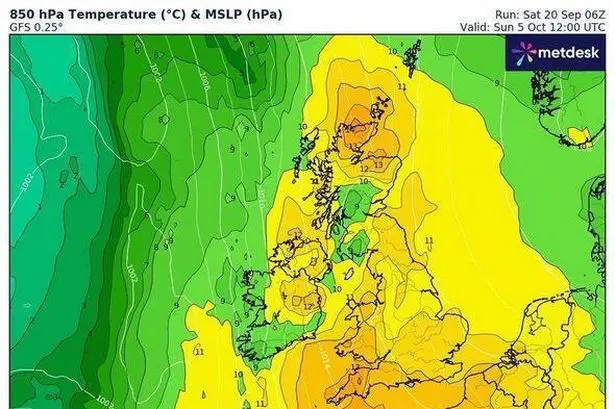
This year, the UK has experienced a notable Indian summer, with temperatures soaring past average levels for this time of year. According to the Met Office, many regions have recorded temperatures reaching into the low 20s Celsius, a striking contrast to the typical chill that sets in during late October. These warmer days have been attributed to a high-pressure system lingering over the UK, which has led to clear skies and minimal precipitation.
Impact on Daily Life
The warm spell has provided an opportunity for families and individuals to engage in outdoor activities, from extended picnics to late-season gardening. Farmers have also welcomed the conditions as they can assist with the harvest of late crops. However, the unseasonable warmth also raises concerns regarding seasonal wildlife, as animals and plants may be thrown off their natural cycles.
What to Expect Moving Forward
As autumn transitions towards winter, meteorologists are keeping a close eye on any prolonged changes in weather patterns. While the current forecasts suggest that the Indian summer may taper off into more typical autumn weather within the next few weeks, there is still debate among scientists about whether these warm spells may become more frequent due to climate change.
Conclusion
The Indian summer phenomenon, while a welcomed change for many, positions itself as a reminder of the variability in UK weather. As climate patterns shift, unusual weather events may become more common. For now, residents are advised to enjoy the sunshine while it lasts, but to remain prepared for the eventual transition to colder months. The Indian summer serves as both a joyous escape from the impending winter and a crucial indicator of changing climatic conditions that could influence future seasons.