Introduction
The political landscape of the United Kingdom has undergone significant changes in recent years, particularly with the rise of Reform UK. This political party, initially established as the Brexit Party, has found itself at the forefront of UK politics, largely due to the influence of its leader, Nigel Farage. Understanding the connection between Farage and Reform UK is essential to comprehend the current political dynamics and future prospects for the party.
Background of Reform UK
Reform UK was formed in 2019 and emerged from the Brexit Party, which aimed to achieve the United Kingdom’s exit from the European Union. Following the achievement of this goal, the party sought to pivot to broader issues such as public service reform, tackling crime, and economic recovery post-Brexit. Nigel Farage, a prominent figure in the Brexit campaign, was pivotal in the party’s initial popularity, leveraging his recognition and support bases gathered during his time with UKIP (UK Independence Party).
Farage’s Role in Reform UK
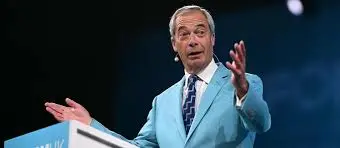
Since its inception, Nigel Farage has been an intrinsic part of Reform UK, guiding its direction and policies. His charismatic leadership style and unwavering stance on key issues have drawn significant attention, making him a central figure in discussions surrounding the party’s agenda. In recent months, Farage has focused on pressing issues such as immigration control, criticising current government policies on this front, and advocating for a more stringent approach.
Moreover, under Farage’s leadership, Reform UK has attempted to capitalise on growing discontent among voters regarding the handling of various issues by the incumbent government, positioning itself as a viable alternative for frustrated constituents. The party has attracted former Conservative voters disillusioned with mainstream politics, thus further cementing Farage’s influential role in reshaping UK political alignment.
Recent Developments
As the UK heads towards local elections in 2024, Farage’s influence within Reform UK continues to evolve. The party has gained a level of traction in recent polls, reflecting a potential shift in voter sentiment. With ongoing discussions around cost of living crises and public healthcare, there is speculation on how effectively Reform UK can translate this momentum into tangible electoral success.
Conclusion
The future of Reform UK remains inextricably linked to the political strategies employed by Nigel Farage. As he continues to advocate for change and offer alternatives to the mainstream political parties, Reform UK has the potential to reshape voter perspectives leading up to the next general elections. For readers and constituents, this dynamic of Farage’s influence within Reform UK may signify significant shifts in the UK political landscape in the years to come.