Introduction
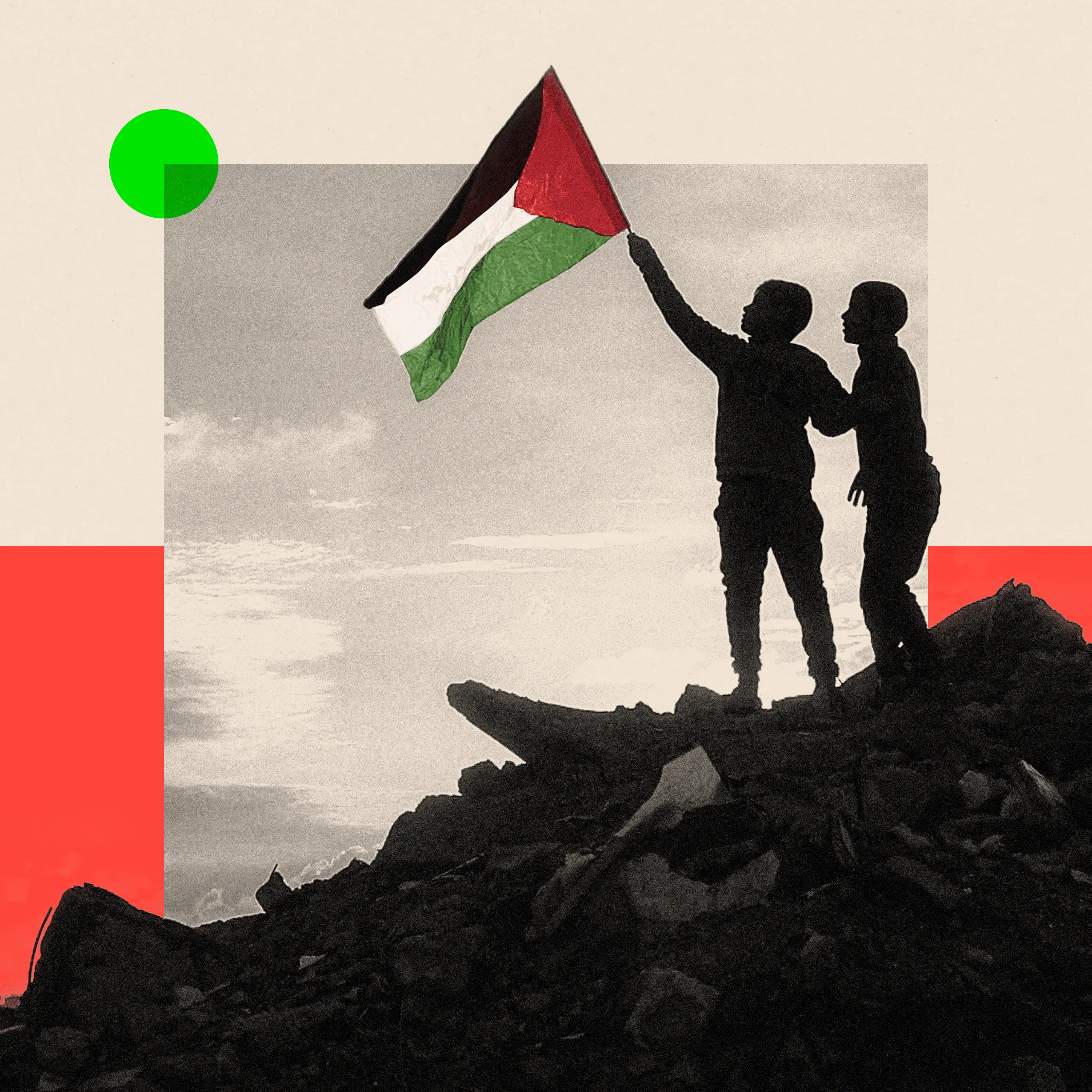
The quest for Palestinian statehood remains a prominent issue in international politics, symbolising the struggle for self-determination and sovereignty of the Palestinian people. Following decades of conflict, displacement, and diplomatic efforts, the topic of statehood has gained renewed urgency, especially in light of recent geopolitical developments. As various nations assess their stance on the Israeli-Palestinian conflict, understanding the intricacies of Palestinian statehood is crucial for grasping the broader implications for peace and stability in the Middle East.
Recent Developments
In September 2021, the United Nations General Assembly marked the 20th anniversary of the International Court of Justice’s advisory opinion, which asserted that the construction of Israeli settlements in occupied territory was illegal under international law. This created a platform for countries to reconsider their policies towards Palestinian statehood, with many advocating for a two-state solution that would see Palestine coexist alongside Israel.
In 2023, several significant events have transpired that could influence the trajectory of Palestinian statehood. Notably, the ongoing tensions in the region, particularly in Gaza and the West Bank, have spotlighted the humanitarian crisis faced by Palestinians. Reports from organisations such as Human Rights Watch and the UN highlight increased calls for intervention and recognition of Palestinian rights, fostering a climate for possible international support.
Moreover, diplomatic efforts continue to evolve. Recently, discussions within Arab nations have reignited interest in mediating talks between Israeli and Palestinian leadership. The Arab League called for an urgent summit aimed at recommitting to the concept of Palestinian statehood as a viable resolution to ongoing conflict.
Challenges Ahead
Despite these hopeful developments, the path to Palestinian statehood is fraught with challenges. Internal Palestinian political divisions, primarily between Fatah and Hamas, have complicated international efforts to present a unified front in negotiations. Additionally, the Israeli government’s stance remains crucial; current leadership has indicated a focus on settlement expansion, which many view as an obstacle to peace.
Conclusion
The issue of Palestinian statehood is not just a regional matter; it resonates on a global scale, encompassing human rights concerns, international law, and geopolitical strategy. As wars, diplomatic efforts, and humanitarian crises unfold, the quest for Palestinian statehood serves as a litmus test for international commitment to peace and self-determination principles. Looking forward, the global community must be vigilant, ensuring that the aspiration for a sovereign and independent Palestinian state does not fade into the background of convoluted international politics. Stakeholders must continue to exert pressure on both Israeli and Palestinian authorities to engage openly in dialogue focused on genuine peace and reconciliation.