Introduction
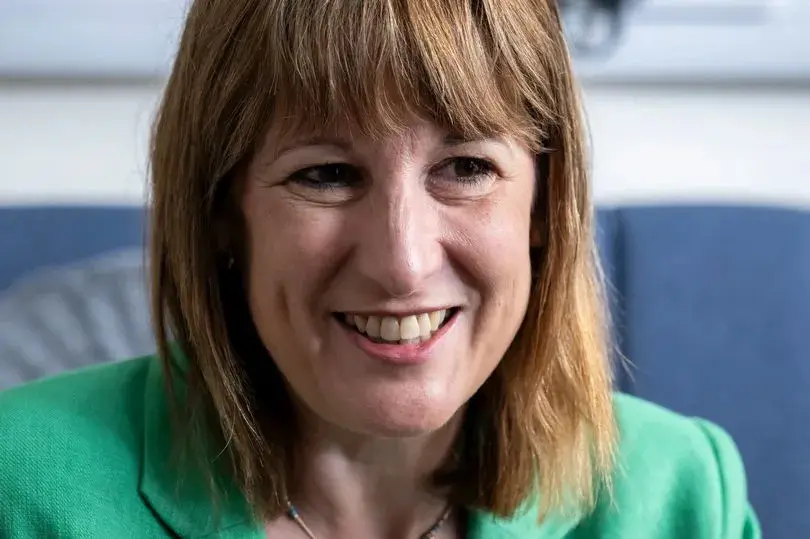
Rachel Reeves, the shadow chancellor of the Exchequer, has emerged as a pivotal figure in UK politics, especially amid the ongoing discussions around economic recovery and public spending. As the Labour Party prepares for the upcoming general elections, Reeves’ proposals and leadership have garnered significant attention from both supporters and critics alike. Her role is particularly relevant as the UK grapples with the economic repercussions of the COVID-19 pandemic and the challenges posed by inflation and cost-of-living crises.
Career and Political Rise
Born in 1979, Rachel Reeves studied at the University of Oxford before embarking on a career in public service and finance. After becoming a Member of Parliament for Leeds West in the 2010 general election, she quickly made a name for herself in various positions, including as the shadow minister for the Cabinet Office. In November 2020, she was appointed as shadow chancellor, taking over from Anneliese Dodds. Her appointment marked a significant moment as she became one of the leading voices in the Labour Party advocating for economic reforms.
Economic Proposals
Reeves has been vocal about her vision for the UK economy, advocating for policies aimed at stimulating growth and ensuring sustainable public finances. One of her key proposals includes increasing investment in green infrastructure, which aligns with the Labour Party’s broader strategy to address climate change while creating jobs. Recently, she announced plans to initiate a review of the current business rates system, aimed at making it fairer for retailers and stimulating trade in high street areas.
Public Reception and Future Outlook
Public reception of Reeves’ initiatives has been mixed. Supporters praise her focus on fiscal responsibility and efforts to modernise the Labour Party’s economic messaging, while critics sometimes argue that her proposals lack the ambition needed to drive significant change. Regardless, her proactive approach signals a shift within the Labour Party toward a more responsive and solution-oriented economic narrative. As the next general election approaches, her influence and visibility in both the media and political discussions are expected to grow.
Conclusion
Rachel Reeves has positioned herself as a prominent voice in UK politics, particularly in discussions relating to economic strategy and recovery. Her leadership as shadow chancellor is critical as the Labour Party seeks to reconnect with voters and present a credible alternative to the current government. As these developments unfold, Reeves’ proposals will likely play an essential role in shaping the future economic policies of the UK, making her a politician to watch in the coming years.