Introduction
The Battle of Midway, fought from June 4 to June 7, 1942, is widely regarded as a pivotal moment in the Pacific Theater of World War II. This naval confrontation between the United States and Japan not only marked a significant turning point in the war but also showcased the importance of intelligence and strategy in modern warfare. Understanding the events leading up to Midway, as well as its aftermath, provides key insights into military strategy and the balance of power during this critical period.
The Context of the Battle
Prior to the Battle of Midway, Japan had achieved a series of victories in the Pacific, leading to fears that they would dominate the region entirely. The Japanese fleet aimed to eliminate the United States as a strategic power in the Pacific by luring American forces into a trap. However, American cryptographers had intercepted and decrypted Japanese naval codes, allowing them to anticipate the attack. These crucial intelligence breakthroughs gave the U.S. a significant advantage in preparation for the battle.
The Battle Unfolds
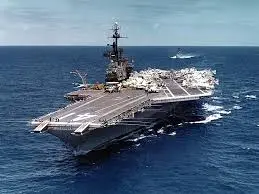
On June 4, 1942, American forces, led by Admiral Chester W. Nimitz, engaged the Japanese fleet near Midway Atoll. The battle saw a combination of dive bombers, torpedo planes, and fighters from American aircraft carriers, including USS Enterprise, USS Hornet, and USS Yorktown. Over the course of four days, U.S. forces successfully sank four Japanese aircraft carriers—Akagi, Kaga, Soryu, and Hiryu—while suffering the loss of the USS Yorktown. The defeat crippled the Japanese fleet and shifted the momentum of the war in favour of the Allies.
Aftermath and Impact
The consequences of the Battle of Midway were profound. It drastically weakened Japanese naval strength, preventing them from launching offensive operations for the remainder of the war. The victory also bolstered American morale and marked the beginning of a strategic offensive by Allied forces in the Pacific. Over the following months, the United States would begin a campaign of ‘island hopping,’ gradually reclaiming territory from Japanese control.
Conclusion
The Battle of Midway remains a critical event in military history, showcasing the importance of intelligence, strategy, and preparation in warfare. Its lessons continue to be studied in military academies around the world. As we reflect on the battle’s significance, it is vital to remember the sacrifices made during this time and how a single engagement can alter the course of history. The legacy of Midway reminds us of the thin line between defeat and victory, and its enduring impact shapes both military strategies and the narratives of World War II.