Introduction
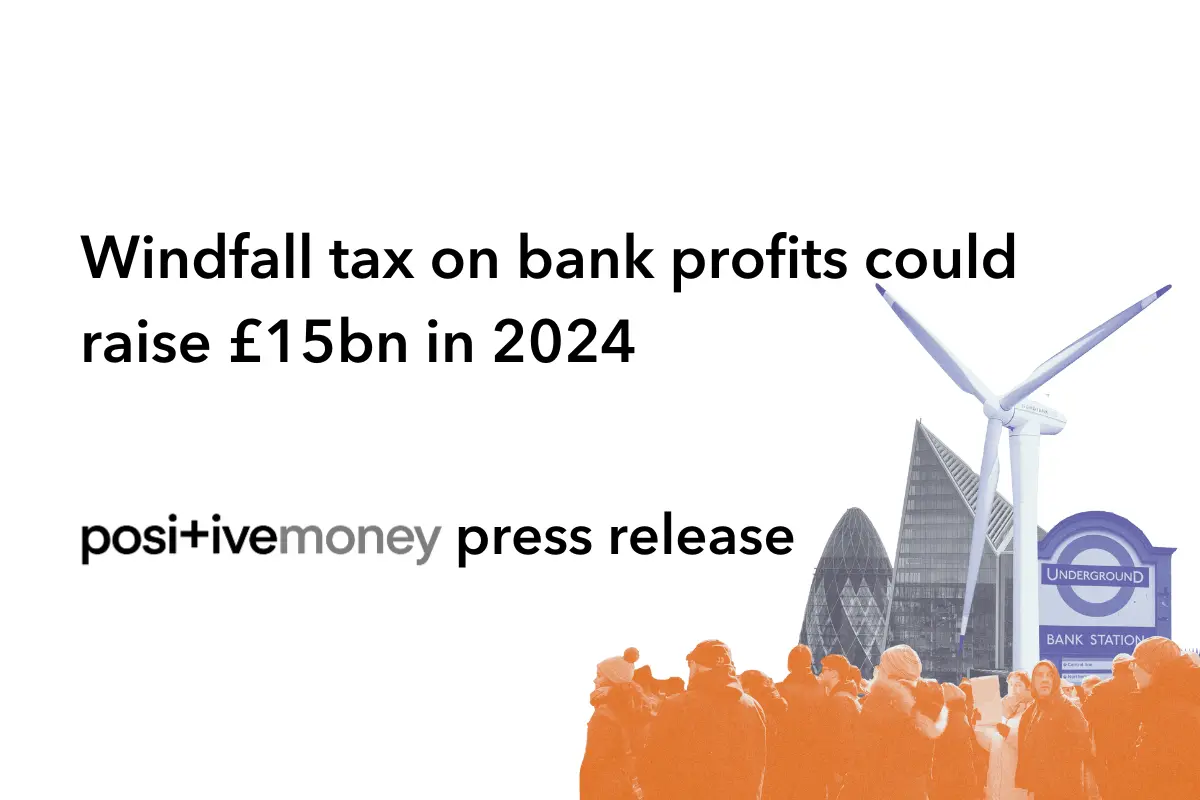
The bank windfall tax has emerged as a pivotal topic in the financial landscape of the United Kingdom, particularly in light of recent surges in bank profits. As financial institutions report record earnings amid economic recovery from the pandemic, the government has considered introducing a windfall tax to address wealth inequality and support public services. With pressure mounting to ensure that profits benefit the wider community, understanding the implications of this tax is essential for consumers and policymakers alike.
What is a Windfall Tax?
A windfall tax is a one-off tax levied on companies that have made significant profits unexpectedly—profits that are beyond what might be considered normal. The rationale behind such a tax is to redistribute the excess profits for social good or investment in public services. Frequently used in times of economic disparity, the windfall tax serves as a mechanism for governments to supplement their revenue, ideally in ways that promote fairness and reduce the impact of wealth concentration.
Current Events Surrounding the Bank Windfall Tax
As the UK grapples with soaring inflation and rising living costs, the Labour party has proposed a windfall tax on banks to alleviate the financial burden on everyday citizens. Recent reports indicate that major banks have been reporting extraordinary profits, benefitting from higher interest rates and increased demand for loans. For instance, data from the Bank of England shows that in the third quarter of 2023, UK banks collectively earned £20 billion, a staggering increase compared to prior years.
In response, the government has been urged to reconsider its stance on taxation for high-earning banks. Some believe that funds garnered from the windfall tax could be allocated towards social welfare programs, education, and healthcare, which are facing heightened demand as inflation continues to affect the most vulnerable populations.
Public Opinion and Reactions
Polls have indicated that a significant portion of the British public supports the introduction of a windfall tax on banks, particularly as households face escalating energy and living costs. Opponents, however, argue that imposing such taxes may lead to reduced investment in the banking sector and ultimately hurt consumers through higher fees and service costs. They contend that banks are vital players in economic recovery, and taxing them excessively could hinder growth.
Conclusion
As discussions surrounding the bank windfall tax continue to unfold, it is clear that this issue is of paramount importance to both the financial sector and consumers alike. With the potential to generate substantial revenue for essential public services, the windfall tax could be a critical tool for addressing inequality in the current economic climate. However, policymakers must carefully weigh the potential drawbacks against the benefits envisioned. Looking ahead, the implementation of this tax could set precedents for how governments manage corporate profits during times of economic disparity, underscoring the ongoing debate between wealth redistribution and economic growth.