The Importance of H5N1
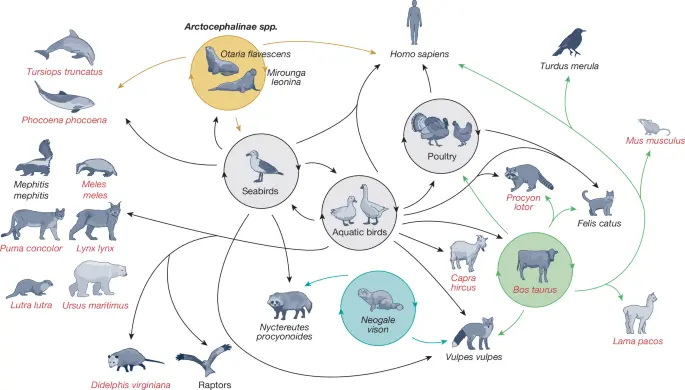
The H5N1 avian influenza virus has been a significant health concern since its emergence in the late 1990s. This virus primarily affects birds but poses a serious threat to human health, leading to various outbreaks that can result in severe illness or even fatalities in humans. Understanding this virus is crucial due to its potential to mutate and cause widespread pandemics, making it a key topic for public health officials and the poultry industry alike.
Current Events and Developments
Recently, there has been an uptick in H5N1 cases across several countries, particularly affecting domestic poultry populations. The World Health Organization (WHO) and the Food and Agriculture Organization (FAO) have reported outbreaks in Europe, Asia, and parts of Africa. For instance, following an outbreak in the UK and subsequent culling of affected flocks, farmers are now observing stricter regulations and biosecurity measures to prevent further spreading of the virus.
In humans, sporadic cases of H5N1 infection have continued to appear, primarily resulting from direct contact with infected birds. The WHO confirms a small number of cases annually, most of which involve severe respiratory disease and a high mortality rate. The latest confirmed human case was reported earlier this year in Asia, underscoring the virus’s potential threat to public health.
Implications for Health and Economy
The economic ramifications of H5N1 outbreaks can be severe, particularly for the poultry industry. Countries experiencing outbreaks often impose trade restrictions and sanctions on poultry exports, which can lead to significant financial losses for farmers and supply chain disruptions. The European Commission has noted that proactive measures, including vaccination of poultry against H5N1, can help mitigate these economic impacts.
Public health responses to H5N1 outbreaks also involve improving surveillance of avian species, enforcing biosecurity measures in farms, and educating the public about the importance of reporting sick birds. Regional health authorities are working in conjunction with international health bodies to enhance preparedness and response frameworks for potential human infections.
Conclusion
The H5N1 virus remains a critical issue for both public health and the poultry industry. With increasing reports of infection in birds and sporadic cases in humans, vigilance is essential. The world must continue to monitor and invest in strategies that may help prevent outbreaks and contain any potential pandemics. Enhanced surveillance, strict biosecurity protocols, and international cooperation are vital elements in addressing the risks posed by H5N1 moving forward.