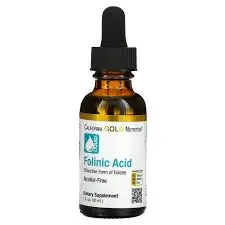
Introduction to Folinic Acid
Folinic acid, also known as leucovorin, is a form of folate, a B-vitamin essential for various bodily functions, including DNA synthesis and repair. Its importance has recently gained attention, particularly in the fields of oncology and medicine. The application of folinic acid in treating certain diseases, including its role in enhancing the efficacy of chemotherapy, underscores its relevance in current medical practice.
What is Folinic Acid?
Folinic acid acts as a cofactor in the metabolic processes of folate. It is not a vitamin itself but rather a form of the active metabolite of folic acid. Unlike folic acid, which requires enzymatic conversion, folinic acid can be directly used by the body, making it particularly beneficial in conditions where folate metabolism is impaired. This quality is critical for individuals undergoing chemotherapy, as the use of folinic acid can help mitigate some of the harmful side effects of certain antifolate drugs like methotrexate.
Recent Developments and Uses
Recent studies highlight the diverse applications of folinic acid, especially in cancer therapy. In 2023, clinical trials published in reputable medical journals demonstrated that folinic acid could enhance the effectiveness of chemotherapy regimens while reducing toxicity towards healthy cells. For instance, when combined with fluorouracil, a common chemotherapy agent, folinic acid has shown to improve therapeutic outcomes in patients with colorectal cancer.
Moreover, folinic acid is vital in treating patients with severe folate deficiency, illustrating its importance beyond oncology. Conditions leading to malabsorption in the gastrointestinal tract, for instance, may necessitate folinic acid supplementation to restore adequate folate levels in patients.
Conclusion and Future Implications
The ongoing research into folinic acid’s applications presents promising developments not only for cancer treatments but also for broader medical conditions related to folate deficiency. As healthcare professionals continue to delve into the biochemical properties of folinic acid, we can anticipate the exploration of its potential uses expanding across various disciplines.
In conclusion, folinic acid stands as a significant element within the healthcare landscape, helping enhance treatment efficacy and reduce complications associated with certain medications. As science progresses, its importance is likely to grow, further establishing folinic acid as an invaluable component in modern medicine.