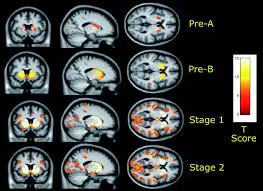
Introduction to Huntington’s Disease
Huntington’s disease is a progressive, hereditary neurological disorder that impacts motor function, cognition, and psychiatric health. Significantly relevant to healthcare and families worldwide, this condition manifests typically in mid-adulthood, leading to deteriorating physical and mental abilities over time. Understanding Huntington’s disease is essential not only for affected individuals but also for healthcare professionals, as research continues to evolve.
Symptoms and Diagnosis
The symptoms of Huntington’s disease can be broadly categorised into three main types: movement disorders, cognitive decline, and psychiatric symptoms. Patients often experience involuntary movements, known as chorea, which are the most recognised physical symptoms. Cognitive dysfunction may include difficulties with concentration, memory, and planning, while psychiatric issues can range from anxiety and depression to more severe conditions like bipolar disorder.
Diagnosis is typically made through a combination of clinical evaluation and genetic testing, which reveals the presence of the mutated HTT gene responsible for the disease. As of 2023, genetic testing guidelines are evolving as early diagnosis becomes an important focus of ongoing research.
Current Research and Treatments
As of late 2023, researchers are actively exploring several avenues to treat and potentially alleviate the symptoms of Huntington’s disease. Current approaches involve targeting the genetic mutation itself, using techniques such as gene silencing, which aims to reduce the production of the harmful protein. Additionally, clinical trials are testing various drugs, including neuroprotective agents and therapeutics aimed at improving patients’ quality of life.
Conclusion and Future Perspectives
The implications of Huntington’s disease extend far beyond the individual, affecting families and communities. There is a growing recognition of the need for support networks and interventions aimed at enhancing the lives of those affected. With advances in genetic research and a deeper understanding of the molecular mechanisms underpinning the disease, the future offers hope for better management strategies and potential therapies. Importantly, raising awareness and advocating for research funding remain crucial steps in the quest to find effective treatments and ultimately a cure for Huntington’s disease. As we progress, it is imperative that we maintain our focus on education, research, and community support to improve outcomes for all those impacted.