Introduction
Colorectal cancer (CRC) is a significant global health concern, ranking as the third most commonly diagnosed cancer and the second leading cause of cancer-related deaths worldwide. With an estimated 1.93 million new cases reported in 2020, its prevalence has prompted ongoing research to enhance early detection and treatment modalities. This article delves into the importance of understanding colorectal cancer, the current statistics, its symptoms, and advances in treatment options.
Current Statistics
According to the World Health Organization (WHO), the incidence of colorectal cancer is rising, particularly in developing nations where lifestyle changes are prevalent. In the UK alone, it is estimated that approximately 42,000 new cases are diagnosed each year, with the risk increasing significantly after the age of 50. Screening programmes, which are being expanded, play a key role in early detection, making survival rates significantly higher when treated in earlier stages.
Symptoms to Watch For
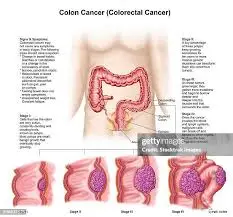
Colorectal cancer can manifest with a variety of symptoms including but not limited to:
- Changes in bowel habits (diarrhoea or constipation)
- Blood in stool
- Abdominal discomfort or pain
- Unexplained weight loss
- Fatigue
It is essential for individuals experiencing these symptoms to seek medical advice promptly, as early diagnosis can drastically improve treatment outcomes.
Advances in Treatment
The management of colorectal cancer has evolved significantly over the last decade. Various treatment options are available, including:
Surgery: Often the first line of treatment, aimed at removing the cancerous section of the colon or rectum.
Chemotherapy: Utilised pre- or post-surgery to shrink tumours or eliminate remaining cancer cells. Recent advancements have led to more targeted therapies that focus on specific genetic abnormalities in tumours.
Immunotherapy: Shows promise for certain subtypes of colorectal cancer, particularly those with specific genetic markers that help the body’s immune system fight the disease.
Conclusion
Colorectal cancer poses a significant threat to public health globally, necessitating increased awareness, education, and timely screenings. As research continues to advance treatment options, the outlook for those diagnosed with colorectal cancer is improving. For readers, understanding the symptoms and risks associated with this disease is critical. Regular screenings, particularly for those over the age of 50, could be life-saving and should be prioritised as part of routine health maintenance.