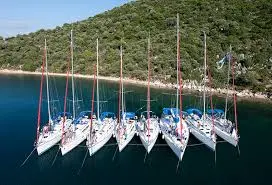
Introduction to Flotillas
The term ‘flotilla’ refers to a formation of small naval vessels, often used for specific military or logistics tasks. As maritime tensions rise globally, the role of flotillas in naval strategies is becoming increasingly significant. This article explores the relevance of flotillas today, considering recent developments and their implications for international relations.
Historical Significance
Historically, flotillas have been employed for reconnaissance, patrol, and offensive operations. The use of smaller vessels in a coordinated manner can enhance tactical flexibility and cover larger areas than larger ships alone. For instance, during World War II, flotillas played vital roles in numerous naval campaigns, showcasing their strategic value.
Current Developments and Events
In recent months, flotillas have gained attention due to escalating maritime disputes, particularly in the South China Sea and off the coasts of Eastern Europe. The United States and its allies have tested the concept of forming flotillas as a deterrent against aggressive maritime expansion by rival nations. For example, in September 2023, a joint flotilla exercise was conducted by Japan, the United States, and Australia, aimed at improving interoperability in response to increasing tensions in the Indo-Pacific region.
Moreover, humanitarian flotillas are also becoming more prevalent. Various NGOs are utilising flotillas to deliver aid in conflict zones or to rescue individuals in distress at sea. One such notable event occurred recently when a flotilla was dispatched to the Mediterranean to assist refugees fleeing from conflict-ridden countries.
The Future of Flotillas
Looking ahead, flotillas are expected to play a significant role not only in military operations but also in humanitarian missions. As nations modernise their naval capabilities, the incorporation of advanced technologies, such as autonomous vessels and enhanced communication systems, is likely to increase the effectiveness of flotilla operations.
In conclusion, the relevance of flotillas extends beyond mere naval tactics. They are pivotal in shaping modern maritime strategy and international relations. As conflict zones evolve and humanitarian needs intensify, the ability of countries to operate flotillas will be crucial in addressing both security concerns and humanitarian crises.