Introduction
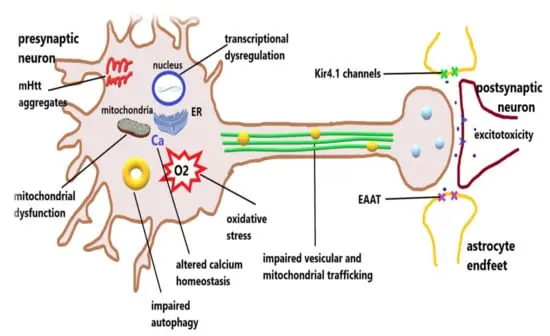
Huntington’s disease (HD) is a hereditary neurodegenerative disorder caused by a mutation in the HTT gene, leading to progressive motor dysfunction, cognitive decline, and psychiatric symptoms. As the disease progresses, the impact not only devastates the patients but also their families and caregivers. Recent advancements in gene therapy present a promising frontier in the fight against this debilitating condition, potentially altering the course of the disease and offering new hope for those affected.
Significant Developments in Gene Therapy
Following years of research, two notable clinical trials have recently surged into the spotlight. The first, conducted by Wave Life Sciences, focuses on using a different approach by targeting the mutant form of the HTT gene while sparing the healthy one, an effort that hopes to minimize side effects traditionally associated with altering gene expression. Preliminary data from early-stage trials indicates that such targeted therapies can significantly reduce levels of the harmful HTT protein in the brain.
Another major player in this rapidly evolving field is uniQure, which is developing a gene therapy that uses adeno-associated virus vectors to deliver a correct copy of the HTT gene. This strategy aims to halt the progression of the disease by enabling the body to produce a healthier version of the gene. Full results from their latest trial, expected later this year, could radically shift how we approach treatment for HD.
The Hope for Patients and Families
What makes these advancements particularly important is the potential practical applications for patients currently diagnosed with Huntington’s disease. Early intervention could become a reality, wherein therapies may be administered well before the onset of noticeable symptoms, offering the possibility of significantly improving quality of life and extending functional independence.
Moreover, the collaboration between biotech firms and patient advocacy groups has intensified public and private funding, enabling the acceleration of research and clinical trials. Within the Huntington’s community, there is a heightened sense of optimism surrounding these innovations, as they signify a departure from the current supportive care model towards a future where actually modifying the disease trajectory would be possible.
Conclusion
The emergence of gene therapy as a treatment for Huntington’s disease represents a critical leap forward in neurodegenerative research. As clinical trials continue to unveil promising results, hope for a more effective management of the disease grows stronger. For families grappling with Huntington’s, the work being done now could redefine the narrative of the condition—transforming it from an inevitably progressive illness to a manageable one, therefore significantly altering the future landscape of treatment.