The Africa Cup of Nations (AFCON) raises a central question: how has this tournament evolved into the most prestigious competition in African football? The answer lies in its rich history, competitive spirit, and the remarkable achievements of its players and teams.
Initially held at irregular intervals, the AFCON became a regular biennial fixture in 1968, allowing for a more structured approach to the tournament. This change has contributed to its growth in popularity and significance. Starting in 2028, the tournament will transition to a quadrennial format, further enhancing its stature on the global stage.
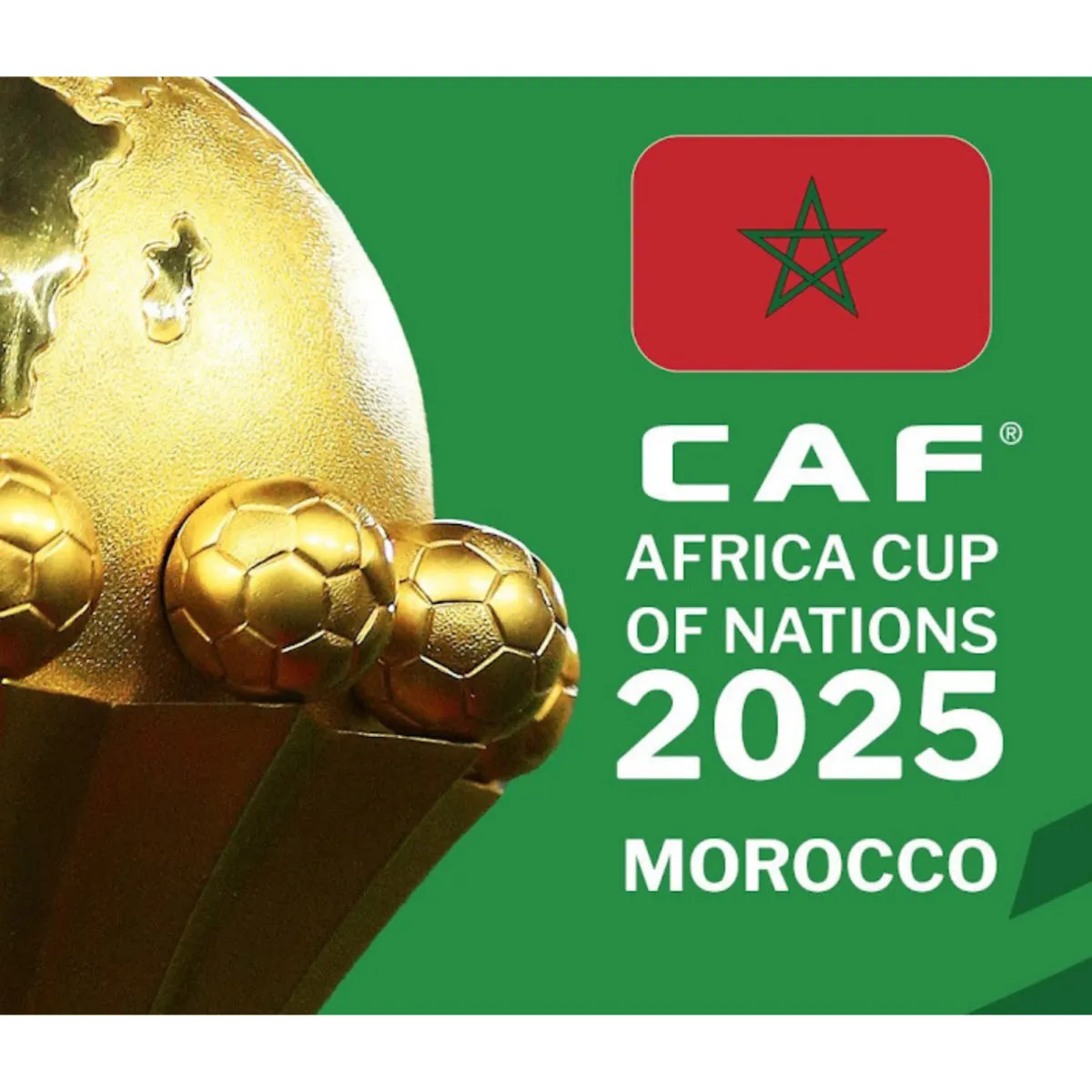
In recent years, the AFCON has witnessed intense competition, highlighted by Morocco’s controversial declaration as the 2025 champion over Senegal. This decision sparked debates among fans and analysts alike, showcasing the passionate investment in the tournament by nations and supporters. The 2025 edition also marked a significant milestone, attracting over 1.1 million spectators by the end of the quarterfinals, illustrating the tournament’s ability to draw large crowds and generate excitement.
Individual records have also been a focal point of the tournament’s narrative. Riyad Mahrez made history at 34 years and 306 days old, becoming the oldest player to score a brace in AFCON history. Meanwhile, Yassine Bounou has equaled the record for the second-most clean sheets in the tournament’s history, with 11 clean sheets to his name. These achievements not only highlight individual talent but also the competitive nature of the tournament.
Another remarkable feat was accomplished by Brahim Diaz, who became the first player in AFCON history to score in each of the first five matches of any edition of the tournament. Such milestones contribute to the rich tapestry of stories that define the AFCON and its impact on African football.
Historically, Egypt stands out as the most successful nation in the tournament, having won the AFCON title seven times. This record underscores the competitive landscape of African football, where nations like Ghana, Côte d’Ivoire, and Cameroon have also made significant contributions to the tournament’s legacy.
The 2025 edition of the AFCON was the second time Morocco hosted the tournament, further solidifying its role as a key player in African football. The event featured the official mascot, Assad, a Barbary lion, and the match ball named ITRI (star), which added to the tournament’s unique identity. Additionally, the official anthem, Africallez, performed by Moroccan artists and Angélique Kidjo, celebrated the cultural richness of the continent.
As the AFCON continues to evolve, the future holds both promise and uncertainty. With the shift to a quadrennial format, the tournament may see changes in its structure and participation. Details remain unconfirmed, but the anticipation surrounding the next editions of the AFCON will undoubtedly keep fans engaged and invested in the future of African football.