Introduction
Department for Work and Pensions (DWP) payments play a crucial role in supporting millions of individuals and families across the UK. Recently, changes to DWP payment structures and policies have drawn significant public attention. Understanding these changes is essential, not only for recipients but also for policymakers and society as a whole.
Changes to DWP Payments
In the last few months, the DWP has undergone several reforms aimed at improving the efficiency and effectiveness of welfare support. One notable change is the increase in Universal Credit payments, which has been adjusted to reflect rising living costs amid ongoing economic challenges. As of October 2023, recipients of Universal Credit now receive up to £350 per month more compared to last year, aimed at alleviating the financial burden faced by households.
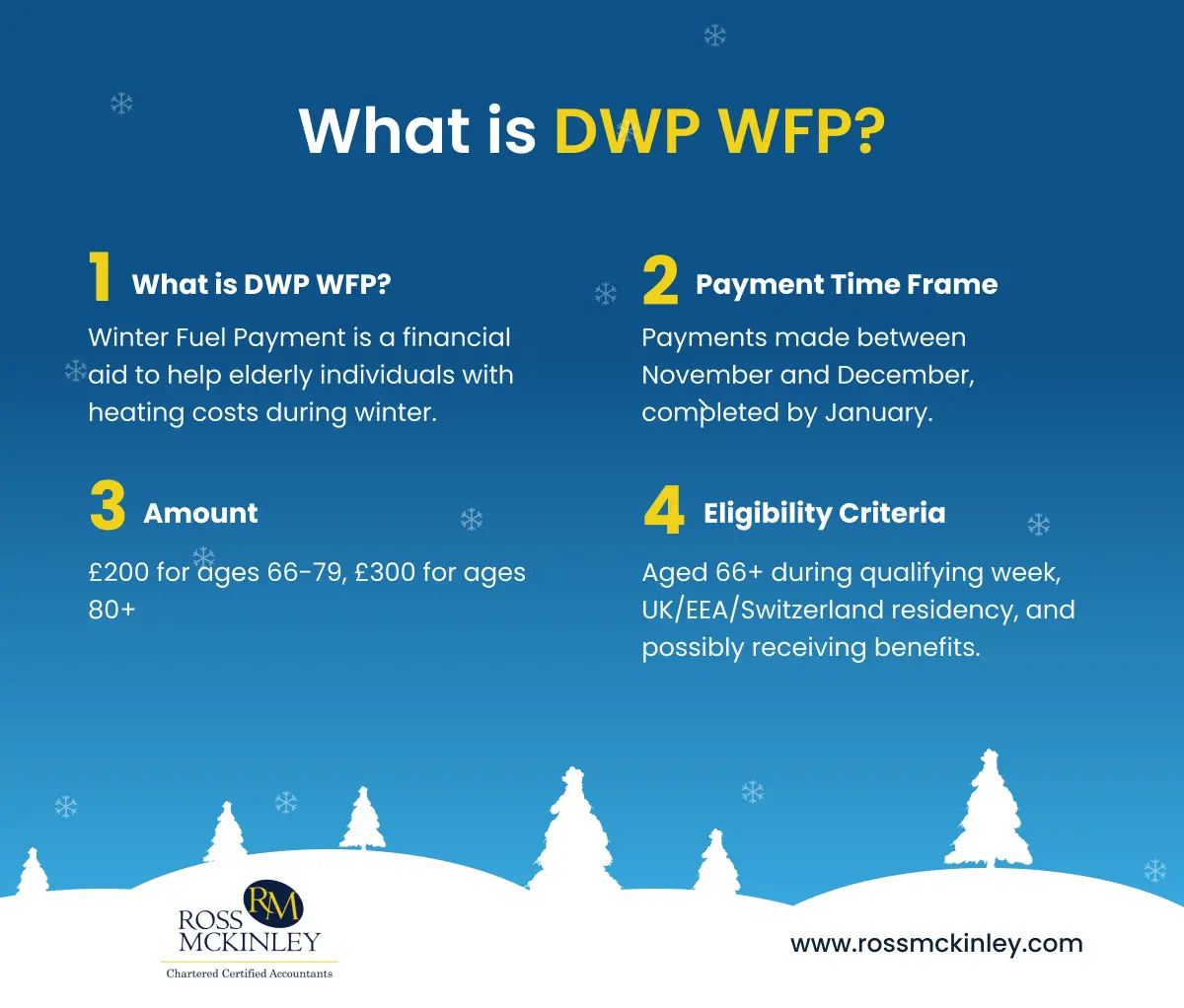
Additionally, the government has announced a series of one-off payments to help vulnerable groups manage their costs during the difficult winter months, including a £150 support payment for those on specific benefits. These measures are part of the government’s broader strategy to support low-income families battling inflation and energy price hikes.
Impacts of Recent Changes
The recent adjustments in DWP payments have sparked a mixed response. While many families welcome the increased support, concerns around administration errors and delays in payments have surfaced. According to recent reports, nearly 20% of Universal Credit recipients have experienced delays, raising alarms about the system’s capacity to handle the increased demand for support. The DWP has committed to rectifying these issues by investing in better technology and increasing staffing levels.
Future Outlook
Looking ahead, the DWP is expected to continue evolving its payment structures in response to economic conditions and changing social needs. With inflation forecasted to remain elevated, more adjustments may be forthcoming to ensure that the most vulnerable populations do not fall through the cracks. Additionally, upcoming parliamentary debates will likely focus on improving the efficacy of the welfare system and ensuring that support reaches those who need it most.
Conclusion
As DWP payments continue to adapt to these challenging times, it becomes increasingly crucial for recipients to stay informed about their entitlements and any changes that may arise. Enhanced support measures are a step in the right direction, but ongoing challenges remain. Stakeholders must advocate for continued improvements to ensure that DWP payments fulfil their purpose of supporting the most vulnerable in society. The recent changes are a reminder of the importance of responsive welfare policies in times of economic uncertainty.