Introduction
Dubrovnik, often referred to as the ‘Pearl of the Adriatic’, is a historic city located on the southern coast of Croatia. It attracts millions of tourists each year with its stunning architecture, clear blue waters, and rich cultural heritage. Designated as a UNESCO World Heritage Site in 1979, Dubrovnik is not just a beautiful destination; it also serves as a reminder of the region’s long and complex history, making it a vital area of interest for historians and travellers alike.
Significance and Events
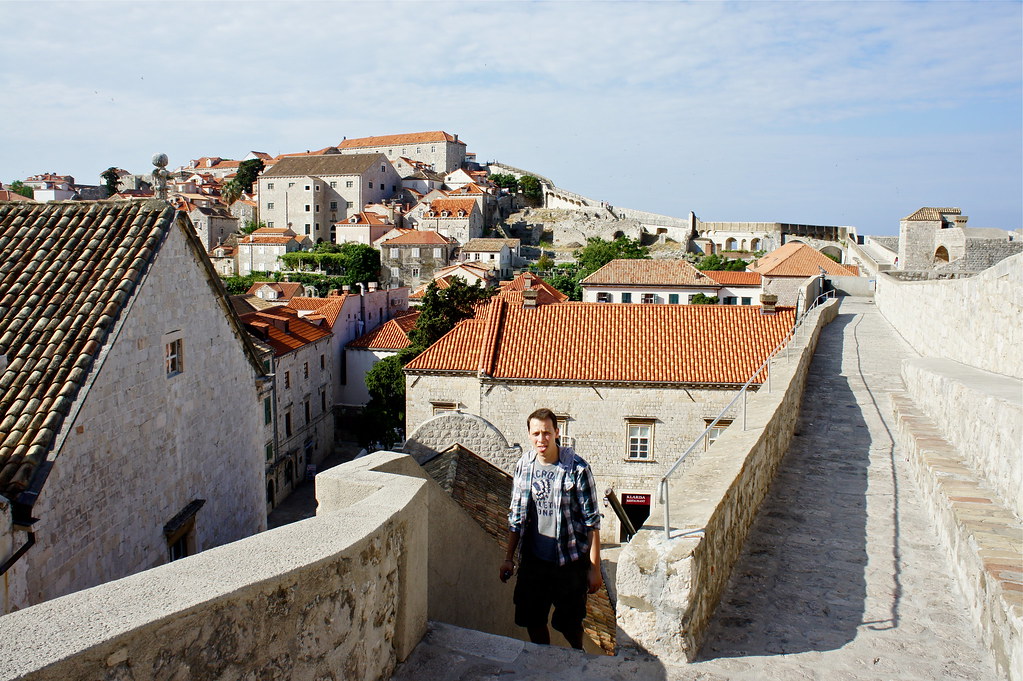
This summer, Dubrovnik welcomed a record number of visitors as travel restrictions eased significantly in Europe. In July alone, the city reported over 250,000 tourist arrivals, a notable increase compared to the previous year. Many tourists are drawn to its iconic city walls, constructed in the 13th century, which provide breathtaking views of the Adriatic Sea and the surrounding islands.
Additionally, Dubrovnik hosts various cultural events that reflect its heritage. The Dubrovnik Summer Festival, which began in 1950, features a range of performances including theatre, music, and dance in some of the city’s most remarkable historical locations. This year, the festival ran from July 10 to August 25, showcasing both local talent and international artists.
Current Challenges
However, the burgeoning popularity of Dubrovnik is not without its challenges. Local authorities are grappling with the impact of overtourism, which has raised concerns about the wear and tear on historical sites and the local ecosystem. Measures are being taken to limit daily visitor numbers and promote sustainable tourism practices. The city is also investing in infrastructure improvements to better accommodate both tourists and residents, aiming to strike a balance between economic growth and preservation.
Conclusion
With its stunning scenery, rich history, and vibrant cultural scene, Dubrovnik continues to captivate visitors from around the globe. While it faces challenges related to overtourism, efforts are being made to preserve its unique charm and ensure its heritage is protected for future generations. As Croatia’s economy increasingly relies on tourism, the significance of preserving Dubrovnik cannot be overstated. For potential travelers, now is an opportune time to explore this enchanting city while being mindful of its delicate balance between tourism and conservation.