Introduction
Kigali, the capital city of Rwanda, has emerged as a significant hub in East Africa, renowned for its development, cleanliness, and vibrant culture. This city, which is not only a political centre but also an economic and cultural heart, has undergone tremendous transformation following the 1994 genocide and is now deemed one of the safest cities in Africa. The relevance of Kigali extends beyond its borders, as it plays a vital role in regional trade and diplomacy, making it crucial to understand its ongoing developments.
Transformative Growth and Development
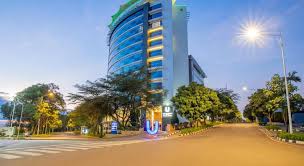
Since the end of the genocide, Kigali has seen rapid urbanisation and development. The Rwandan government has invested heavily in infrastructure, promoting policies that encourage sustainable living along with a commitment to high urban standards. Kigali has been consistently lauded for its cleanliness, seen as a result of community involvement and strong municipal regulations. The city hosts the annual Kigali International Peace Marathon and has also invested in eco-friendly public transport, further illustrating its commitment to sustainable growth.
Cultural Significance
Kigali is rich in cultural heritage, offering numerous museums and arts venues that tell the story of Rwanda’s past and present. The Kigali Genocide Memorial is one of the most poignant sites in the city, serving as a reminder of the country’s tragic past while promoting peace and reconciliation for the future. In contrast, galleries like the Inema Art Centre highlight contemporary Rwandan art, showcasing the creative spirit of its people. The blend of history and modernity makes Kigali a unique destination for tourists and a source of pride for Rwandans.
Economic Outlook
The economy of Kigali is steadily growing, with sectors such as information technology, services, and tourism leading the way. The city has positioned itself as a tech hub, attracting international companies and fostering a startup culture. The Rwandan government has created a conducive environment for business, with legislative support and infrastructure that help local entrepreneurs thrive. Investment in business parks, such as the Kigali Special Economic Zone, is expected to stimulate further economic growth in the coming years.
Conclusion
In conclusion, Kigali stands as a beacon of resilience and progress in Africa. As a city that has transformed its challenges into opportunities, Kigali’s trajectory showcases the potential of urban development underpinned by community engagement and government support. With ongoing investment in various sectors and a commitment to sustainable practices, Kigali is set to continue its growth as a leader in the region. As more people discover this stunning capital, the importance of Kigali as a cultural and economic hub will likely only continue to rise.