Introduction
Córdoba, located in the heart of Andalusia, southern Spain, has captivated visitors for centuries with its rich blend of history, culture, and architecture. Known for its stunning historical sites, this city is a UNESCO World Heritage site and continues to be a focal point for tourists seeking to explore its diverse heritage. As major global travel resumes, Córdoba’s relevance grows as a destination steeped in stories of coexistence between Christian, Muslim, and Jewish cultures.
A Glimpse into Córdoba’s Historical Significance
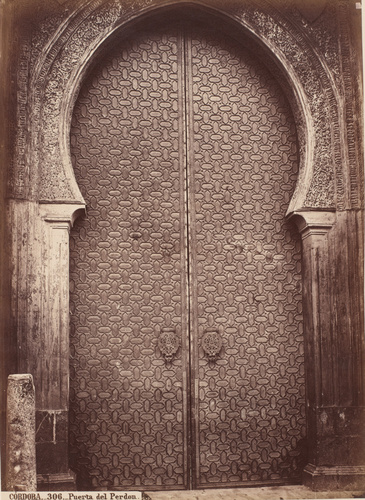
Córdoba was once the capital of the Islamic Caliphate in the 10th century, a period marked by unmatched intellectual and cultural prosperity. The city is particularly renowned for the Great Mosque-Cathedral of Córdoba, La Mezquita, an architectural marvel that reflects the complexities and richness of its past. The blending of various architectural styles within La Mezquita embodies the unique history of the city and its inhabitants, making it a must-see for those visiting.
Modern-Day Attractions
In addition to its historical landmarks, Córdoba has much to offer in contemporary experiences. The city hosts the famous ‘Festival de los Patios’ each May, celebrating the vibrant flower-filled courtyards typical of Cordoban homes. The atmosphere during this festival is enchanting, providing both locals and tourists a memorable experience of the town’s floral artistry. Furthermore, strolling through the charming streets of the Jewish Quarter, infused with local shops and eateries, invites visitors to indulge in authentic Andalusian cuisine while enjoying the ambience of this historic district.
Conclusion
As Córdoba continues to evolve, it retains its significance as a testament to Spain’s multifaceted history. Efforts to preserve its cultural heritage alongside modern development both enrich and challenge the city. For travellers seeking a blend of historical and contemporary experiences, Córdoba stands out as an essential destination that is likely to remain influential in Spain’s tourism landscape. Ultimately, its unique charm lies in its ability to tell the stories of its past through every street, building, and festival, inviting visitors to immerse themselves in its beauty and history.