Introduction
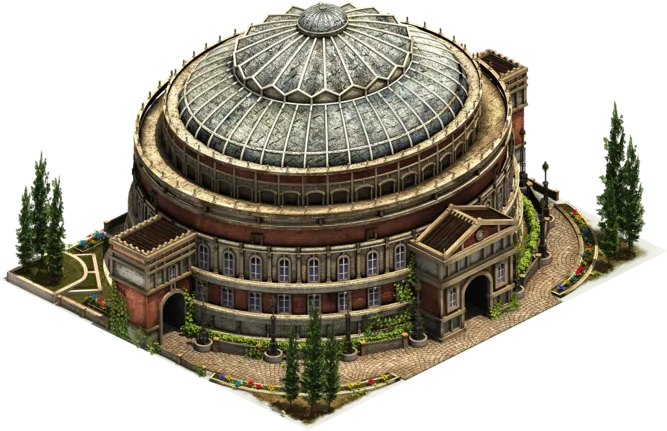
The Royal Albert Hall, located in the heart of London, stands as a pillar of cultural significance and artistic excellence. Opened in 1871, this iconic venue has hosted a plethora of events, ranging from classical concerts to contemporary performances, making it a vital part of the UK’s rich cultural tapestry. Its striking architecture and historic importance continue to attract millions of visitors every year, underscoring its relevance in today’s society.
A Brief History
Commissioned by Prince Albert in memory of his wife, Queen Victoria, the Royal Albert Hall was designed by architect Francis Fowke and completed in a remarkable era of innovation for the arts. Since its inception, the Hall has become renowned for its distinctive circular design and exceptional acoustics. It was initially conceived as a venue for the promotion of arts and science, hosting the first concert featuring the famed conductor Hans Richter in 1871.
Recent Events and Activities
The Royal Albert Hall remains a cornerstone of London’s cultural calendar. Recently, it has resumed its full programme of events following pandemic disruptions. Highlights in 2023 include the return of the BBC Proms, an annual eight-week summer season of classical music, alongside performances from renowned contemporary artists like Adele and the Royal Philharmonic Orchestra. Additionally, the Hall’s commitment to diversity in programming has led to innovative collaborations with various musical genres, ensuring inclusivity and a broader appeal.
Significance for Today’s Society
The Royal Albert Hall is not just a concert venue; it plays a crucial role in the UK’s cultural engagement. It is a hub for educational initiatives, with outreach programmes targeting young people, promoting the arts to the next generation. The Hall’s ability to adapt to changing times and its commitment to showcasing diverse performances highlights its importance as a cultural institution.
Conclusion
In conclusion, the Royal Albert Hall remains a vital asset to London’s cultural scene, symbolising a bridge between tradition and modernity. As it continues to evolve and embrace new artistic expressions, its role in enriching the cultural landscape is likely to grow. For readers, the Hall stands not only as a beautiful venue to visit but also as a testament to the enduring power of the arts in society.