Introduction
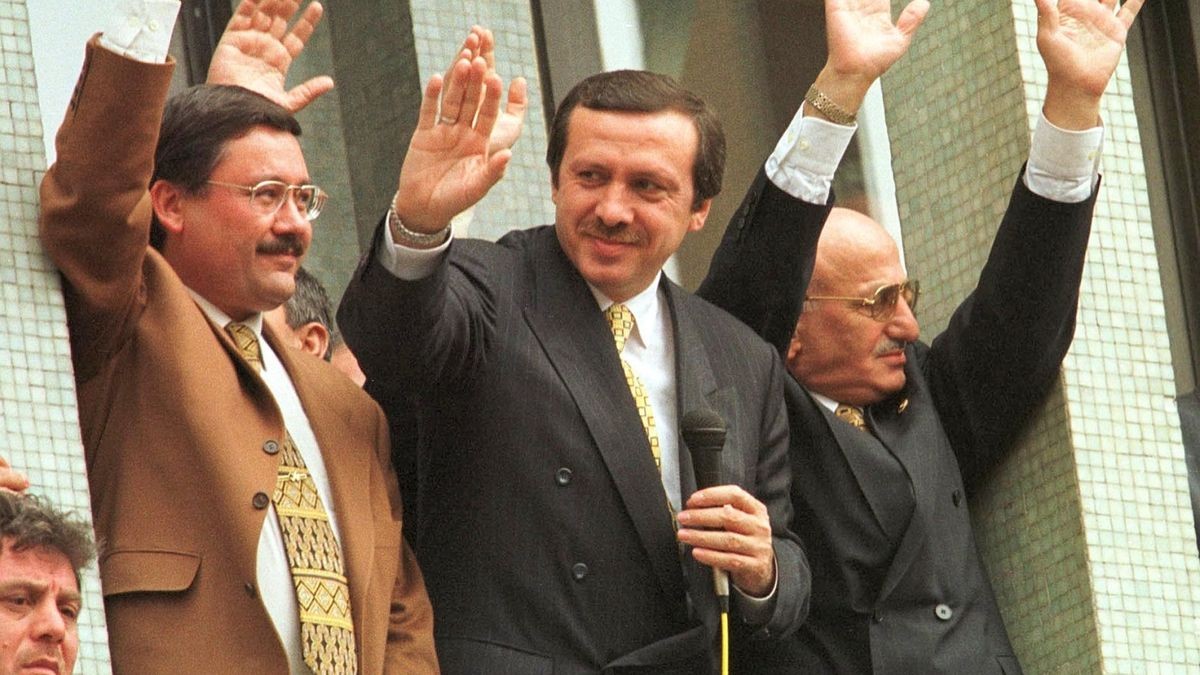
Recep Tayyip Erdogan, the President of Turkey, remains a central figure in both Turkish and global politics. His leadership has seen profound changes in Turkey’s domestic and foreign policies. Understanding Erdogan’s recent political moves is crucial for comprehending Turkey’s current positioning in the region and its relations with other countries.
Recent Developments
In the past few weeks, Erdogan has made headlines with significant decisions regarding Turkey’s economy and international alliances. Following the elections in May 2023, he has struggled with economic challenges including high inflation and a depreciating lira. In response, Erdogan appointed a new finance minister and announced an array of economic reforms aiming to stabilise the currency and attract foreign investment.
On the international stage, Erdogan continues to assert Turkey’s influence. Recently, he announced Turkey’s support for Ukraine amid its ongoing conflict with Russia, which has led to discussions about further military aid. This aligns Turkey more closely with NATO allies, although Erdogan has maintained a nuanced relationship with Moscow, which has raised eyebrows among Western leaders.
Diplomatic Maneuvering
Erdogan’s approach to diplomacy also features heavy emphasis on regional relationships. His recent visit to the Gulf states seeking to strengthen economic ties demonstrates his efforts to cultivate allies amid shifting geopolitical landscapes. There is also increasing attention towards Turkey’s role in the European Union’s migration crisis, with Erdogan suggesting that Turkey could reconsider its current agreement with the EU regarding the management of Syrian refugees.
Conclusion
Erdogan’s recent political maneuvers send ripples through both local and international waters. Economically, his reforms may forge a path toward recovery, but it remains to be seen whether they will yield stabilising results. On the global stage, Erdogan’s balancing act between the West and Russia emphasises Turkey’s strategic position, yet could also create friction moving forward. Consequently, observers should closely watch these developments as they may significantly affect Turkey’s future and its pivotal role in global politics.