Introduction
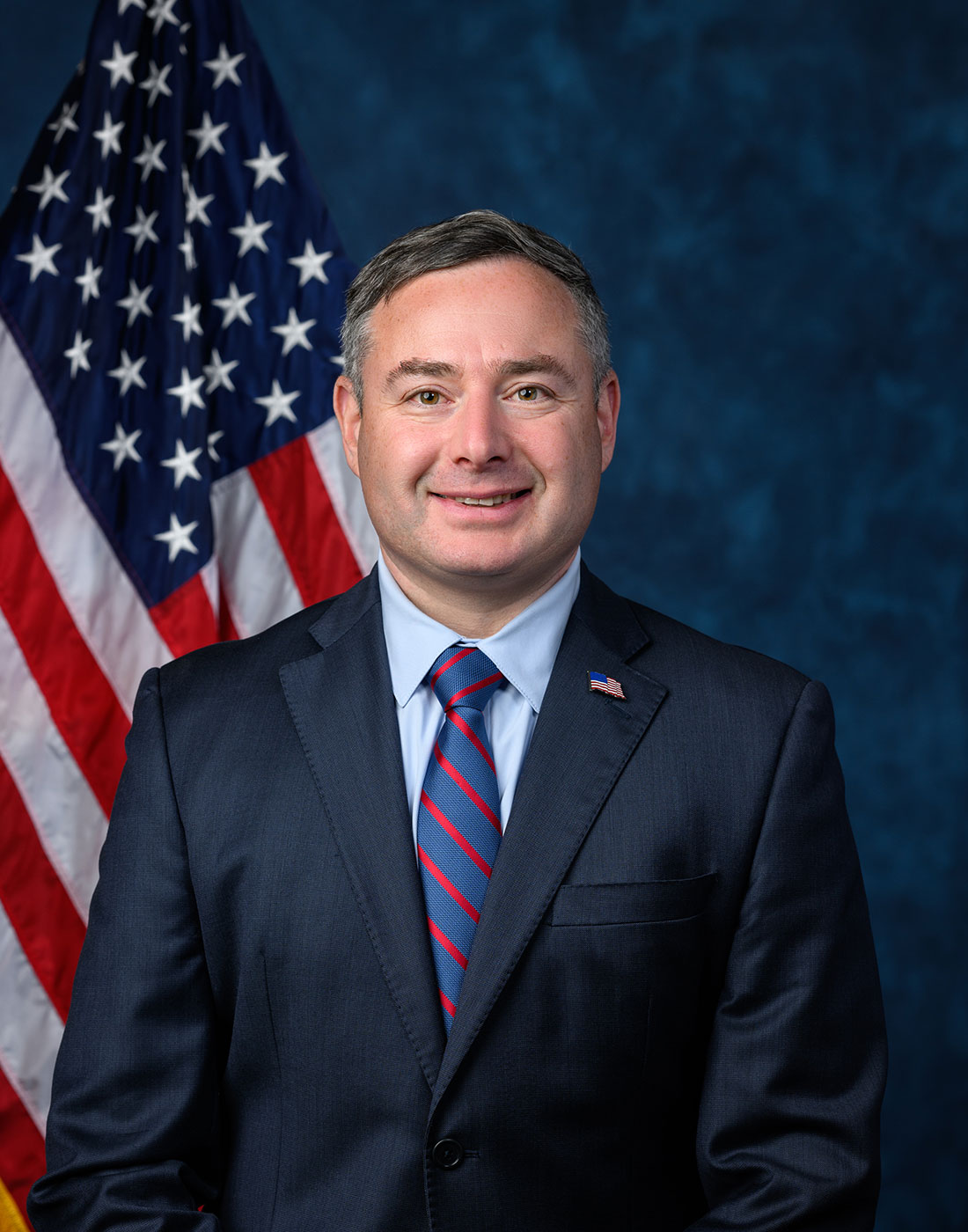
Eugene Vindman, a prominent figure in the U.S. military and public service, has gained attention for his commitment to duty and integrity. Having served in various capacities, including as a U.S. Army officer, Vindman’s contributions to national security and political discourse have drawn both admiration and scrutiny. Analyzing his role sheds light on the broader implications of military service in contemporary governance.
Career Background
Originally from Ukraine, Eugene Vindman immigrated to the United States with his family, embodying the values of resilience and dedication. He graduated from the United States Military Academy at West Point and later earned a Master’s degree in International Relations. His military career included deployment to Iraq, where he received commendations for his service. Vindman also served as the Director for European Affairs at the National Security Council (NSC), where he was instrumental in shaping U.S. foreign policy regarding Ukraine and Russia.
Whistleblower Allegations
In 2019, Vindman gained national attention when he testified during the impeachment hearings of former President Donald Trump. As a whistleblower, he raised concerns about the President’s phone call with Ukrainian President Volodymyr Zelensky, during which Trump allegedly pressured Zelensky to investigate political rival Joe Biden. Vindman’s testimony was pivotal, as it brought to light issues of governmental ethics and accountability. His actions underscored the role of military officials in maintaining the sanctity of democratic processes.
Public and Political Reactions
Vindman’s testimony and subsequent media appearances polarized public opinion. Supporters hailed him as a hero and a patriot for prioritizing his duty to the Constitution over party loyalty. Critics, however, disparaged him, questioning his motives and labeling him as a traitor. The ensuing political discourse highlighted the complexities of whistleblower protections in government and the impact of military figures on political proceedings.
Current Developments and Future Outlook
Recently, Eugene Vindman has continued to engage in public speaking and advocacy for democratic values and the importance of accountability in government. His experience has positioned him as a sought-after commentator on national security and foreign policy issues. As global political landscapes continue to evolve, Vindman’s insights remain relevant, emphasizing the critical intersection between military service and civil governance.
Conclusion
Eugene Vindman’s story is not just one of military valor but also a reflection of the ongoing challenges faced by public servants in navigating a highly politicized environment. His commitment to duty, integrity, and transparency serves as a reminder of the vital role that individuals can play in safeguarding democratic institutions. As the discourse surrounding whistleblowers evolves, Vindman’s experiences will likely inform future discussions about accountability and ethical governance.