Introduction
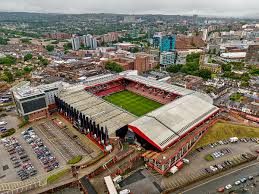
Bramall Lane, the home of Sheffield United Football Club, holds a significant place in football history as one of the longest-standing stadiums in the world. Located in Sheffield, South Yorkshire, it has become a symbol of local pride and sporting culture since its opening in 1855. This venue not only hosts exciting football matches but also plays a critical role in the community, making it a noteworthy topic of discussion in the world of sports.
History and Significance
The origins of Bramall Lane trace back to its initial use as a cricket ground before it transitioned to football. Notably, it became the world’s first stadium to host a football match under floodlights in 1956. Throughout its history, it has witnessed numerous memorable moments, including memorable matches and significant club achievements.
Sheffield United has called Bramall Lane home since its foundation in 1889, creating a deep-rooted history with the venue. The stadium has gone through various renovations to modernise its facilities over the years while retaining its historic character. The most recent updates include expansion of seating capacity to approximately 32,000 and improved hospitality features, ensuring fans enjoy a top-tier experience.
Recent Developments
In 2023, Bramall Lane continued to evolve with further enhancements aimed at adapting to modern sporting demands. The club announced exciting plans to upgrade the playing surface and improve accessibility for all fans, reflecting a growing trend among football clubs to prioritise fan experience.
Moreover, in late August, Bramall Lane became a host venue for the Women’s Football Championship, highlighting its commitment to supporting the women’s game. The event attracted significant attention and showcased the growing popularity of women’s football, thus further solidifying Bramall Lane’s reputation as a key player in the evolution of English football.
Conclusion
Bramall Lane holds not just historical significance but is also a pivotal part of modern football culture in the UK. Ongoing developments and the inclusion of diverse events underscore its importance within the Sheffield community and beyond. As Sheffield United continues to compete at varying league levels, the story of Bramall Lane is far from over, and its potential for future engagement with fans and the local community alike remains promising. For football fans, both present and future, Bramall Lane will continue to be a landmark worth visiting, ensuring that its storied history and vibrant future will resonate for generations to come.