Introduction to Budapest
Budapest, the capital city of Hungary, has long been celebrated for its rich history, stunning architecture, and vibrant cultural life. Nestled along the banks of the Danube River, Budapest is divided into two distinct parts: Buda and Pest. Buda, with its hilly landscape and historical sites, contrasts sharply with Pest, known for its bustling city life and economic prowess. The allure of Budapest continues to draw millions of tourists annually, contributing significantly to its economy and international reputation.
Tourism Growth and Historical Significance
Recent statistics from the Hungarian Tourism Agency indicate that Budapest welcomed approximately 12 million visitors in 2022, highlighting the city’s status as a prime destination in Europe. The city’s UNESCO World Heritage Sites, such as the Buda Castle, the Parliament Building, and the Chain Bridge, encapsulate its architectural splendour. Beyond the beauty of its buildings, Budapest’s thermal baths, a relic of the Roman and Ottoman periods, offer a unique historical experience. Locations like the Széchenyi Baths attract locals and tourists alike, underlining the city’s blend of wellness and relaxation.
Public Transportation and Urban Development
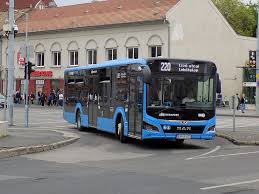
Budapest is not only known for its scenic beauty but also for its efficient public transport system. The city’s network of buses, trams, and the metro is lauded for efficiency and coverage, making it easy for visitors to explore every corner of the city. Recently, Budapest has invested in urban development projects aimed at preserving its historical heritage while enhancing modern accessibility. The recent renovation of public squares and the expansion of pedestrian zones reflects a commitment to improving the quality of life for residents and the experience for visitors.
Challenges and Future Outlook
Despite its many advantages, Budapest faces challenges related to tourism sustainability. The increase in visitor footfall raises concerns about environmental impact and the preservation of cultural sites. City officials are implementing regulations to mitigate overcrowding in popular areas, ensuring that both locals and tourists can enjoy the city’s offerings. Looking ahead, Budapest’s rich cultural festivals, art scenes, and culinary experiences are anticipated to continue evolving, further solidifying the city’s status as a vital European hub. As Budapest adapts to modern challenges, its charm and historical significance will likely endure, welcoming generations to discover its beauty.
Conclusion
Budapest is more than just a travel destination; it is a confluence of history, culture, and modernity. As it navigates the complexities of tourism and urban development, the capital of Hungary remains a vibrant city deserving of its global recognition. Whether you seek to experience its thermal baths, architectural wonders, or culinary delights, Budapest offers something for everyone, making it a must-visit location in Europe.