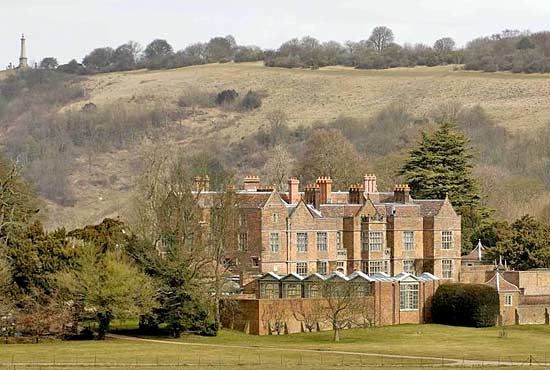
Introduction to Chequers
Chequers is not merely a charming country house nestled in the heart of Buckinghamshire; it is the official country residence of the Prime Minister of the United Kingdom. Established in the 16th century, it serves as a vital retreat for the sitting Prime Minister, offering a space for relaxation, meetings, and informal gatherings with prominent figures. Its importance in UK politics cannot be overstated, as it has been the backdrop for many pivotal government discussions and decisions.
Historical Significance of Chequers
Originally acquired by the government in 1921 from the estate of Sir Reginald Wingfield, Chequers was established as a retreat for the Prime Minister to escape the pressures of London. The house has seen transformations over the years, hosting leaders from across the world, including Presidents, Prime Ministers, and key figures in international relations. Notably, the house has been the site of significant events, such as the 2019 meeting between Prime Minister Boris Johnson and European leaders regarding Brexit.
Recent Developments and Events
In recent months, Chequers has made headlines as Prime Minister Rishi Sunak hosts meetings aimed at addressing pressing issues, including the ongoing cost-of-living crisis and national security concerns. The picturesque surroundings of Chequers provide a conducive environment for crucial discussions, underscoring its role in fostering collaboration amongst political leaders. The house’s gardens and serene landscapes not only offer respite but also inspire creativity and strategic thinking. This year alone, multiple government briefs have reportedly been developed at Chequers, marking its ongoing significance as a strategic hub.
Conclusion: Chequers’ Role in Modern Governance
As the world navigates complex challenges, Chequers remains a vital tool for the UK government. It serves not just as a physical location for meetings, but as a symbol of leadership, decision-making, and diplomacy. The unique atmosphere allows for a mix of leisure and serious contemplation, with many analysts suggesting that the political success achieved at Chequers could have lasting impacts on policy outcomes in the UK. The future of Chequers looks bright as it continues to foster dialogue, collaboration, and innovation within the corridors of power, positioning itself not just as a residence, but as a cornerstone of British governance.