Introduction
The Central Line, one of London’s primary underground routes, plays an essential role in the capital’s public transport network. Opened in 1900, this iconic line stretches from West to East London, linking various boroughs and facilitating the movement of millions of passengers each year. It is particularly significant for its impact on London’s economy and daily commuting patterns, making it crucial for both residents and visitors alike.
Key Features and Current Developments
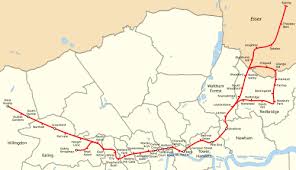
The Central Line operates a total of 49 stations over 46 kilometres, starting from West Ruislip in the west to Epping in the east. It serves key locations including Oxford Circus, Bank, and Liverpool Street, which are vital hubs for business and leisure activities. In recent years, Transport for London (TfL) has undertaken several upgrades and improvements to the Central Line to enhance service efficiency and passenger safety.
In the wake of the COVID-19 pandemic, adjustments have been made to accommodate new safety measures. This includes increased cleaning frequencies, improved air ventilation within trains and stations, and the introduction of contactless ticketing to facilitate a smoother travel experience. These measures aim not only to restore commuter confidence but also to encourage a safe environment for all passengers.
Recent Disruptions and Response
However, like many transport services, the Central Line has faced a range of challenges, including strikes and service disruptions attributed to staff shortages. Strikes have seen significant policy debates around pay and working conditions, bringing attention to the importance of operational staff in maintaining consistent services on the line. The transportation authority is actively engaging with staff and unions to ensure a more satisfactory agreement that balances the needs of employees and the operational demands of the line.
Conclusion
In conclusion, the Central Line remains a critical component of the London transport system, providing essential connectivity across the city. As the service adapts to the ongoing challenges posed by the post-pandemic environment and operational constraints, it is imperative for TfL to continue investing in its infrastructure and personnel. With these efforts, the Central Line is positioned to maintain its significance as the lifeline of London, supporting not only daily commuters but also the city’s broader economic vitality. The future of the Central Line, with its rich history of development and adaptation, promises to remain an integral part of London’s urban landscape.