Introduction
In a time of escalating political change and uncertainty, the insights of political scientists become increasingly critical. Matt Goodwin, a prominent political analyst, has become a key figure in understanding the complexities of modern politics, particularly in relation to populism, voter behavior, and the dynamics of political parties. His work is especially relevant as nations grapple with the ramifications of recent elections and socio-political movements.
Main Body
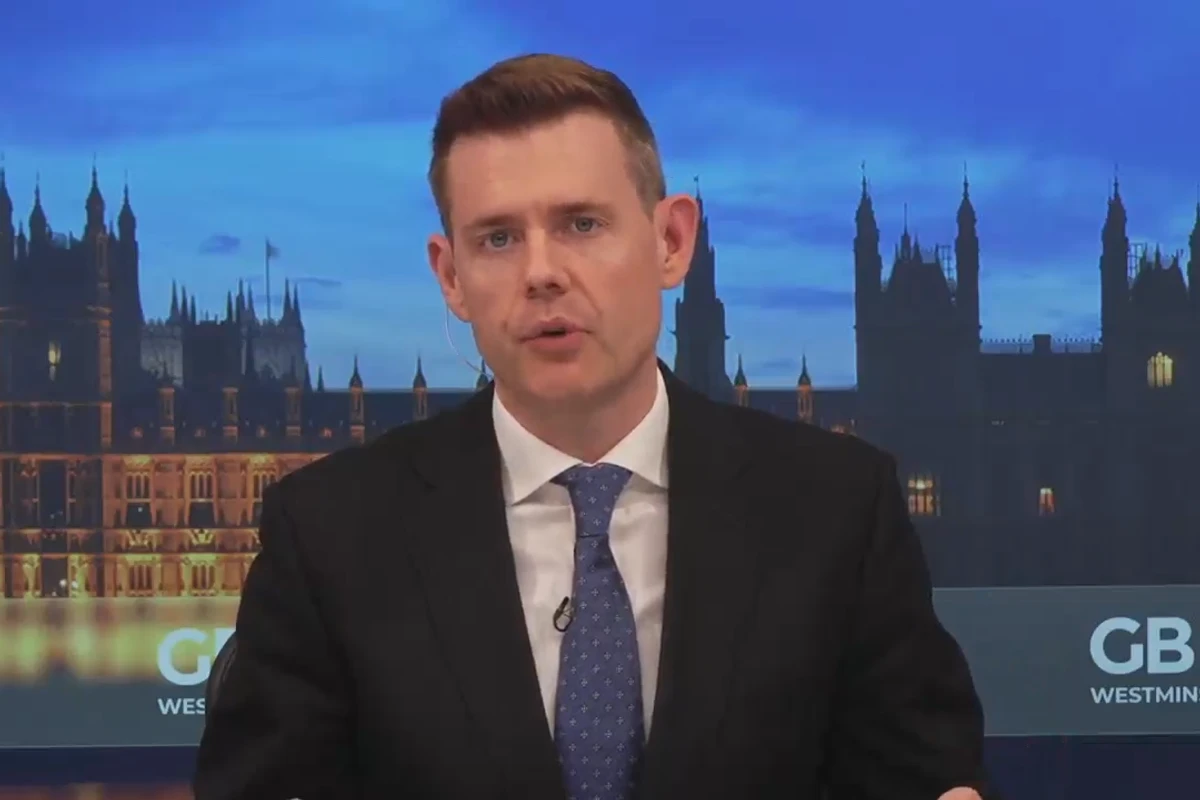
Matt Goodwin is a seasoned political academic and commentator, widely recognized for his contributions to the understanding of contemporary political trends. He is known for his analysis of the rise of populism across developed democracies, focusing on how economic anxiety and social divisions drive voter behavior. His research often draws on extensive datasets, revealing patterns in how demographics, economic factors, and social issues influence electoral outcomes.
Recently, Goodwin has commented on emerging trends in the UK political landscape, especially following the fallout from Brexit and the recent general elections. His analysis highlights the shifting allegiances among voters and the increasing fragmentation of traditional party bases. He emphasizes that understanding these changes is vital for both political parties and policymakers as they seek to engage increasingly disillusioned populations.
Goodwin has also been involved in various public discussions and media appearances, where he articulates his views on how populist movements challenge the established political order. He has suggested that mainstream political parties need to adapt to these changes rather than dismiss them. His stance is that failing to address the concerns of populist voters could result in further alienation and instability.
Conclusion
Matt Goodwin’s work serves as a crucial lens through which we can better understand the shifting dynamics of politics today. As countries strive to navigate the complexities brought on by political fragmentation, insights from experts like Goodwin will be essential in shaping effective responses to voter concerns and re-establishing trust in political institutions. His contributions underline the importance of adapting to a rapidly changing political environment—a necessity for both leaders and citizens alike. Looking ahead, the implications of Goodwin’s research will likely continue to resonate, urging political entities to innovate and connect authentically with their constituents.