Introduction
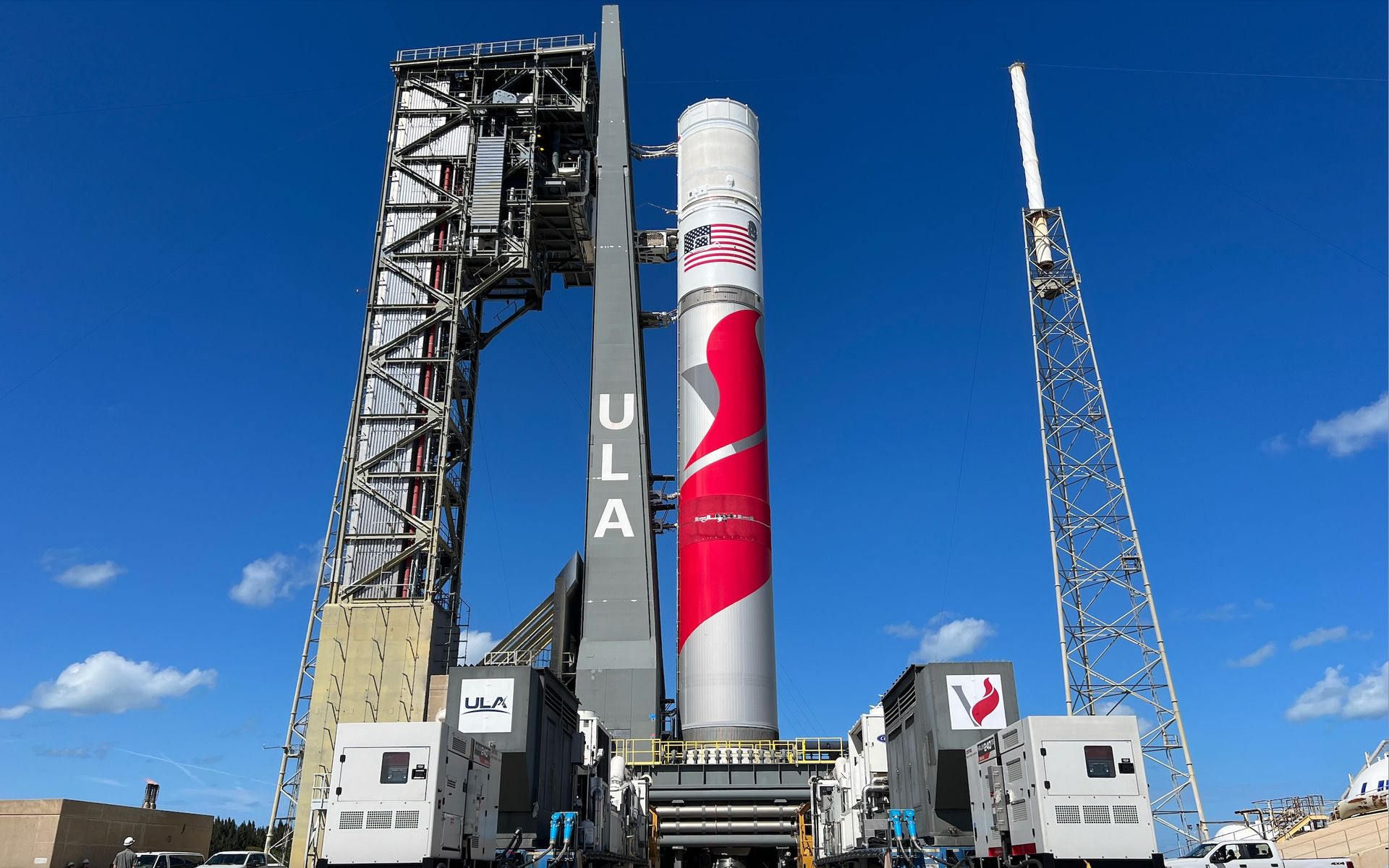
The upcoming ULA (United Launch Alliance) Vulcan rocket launch marks a significant milestone in the space exploration sector. As a next-generation launch vehicle, the Vulcan aims to enhance the efficiency and cost-effectiveness of space missions. With an increasing demand for satellite deployment and interplanetary missions, the relevance of this launch cannot be understated.
Details of the Vulcan Rocket
Scheduled for its inaugural flight in the first quarter of 2024, the Vulcan Centaur rocket boasts advanced features that set it apart from its predecessors. It is designed to carry heavier payloads—up to 27,000 pounds to low Earth orbit—while being environmentally friendly, utilizing a hybrid engine that runs on a mixture of liquid oxygen and liquefied natural gas.
In addition to its impressive payload capacity, the Vulcan rocket integrates state-of-the-art technology such as a new avionics suite and advanced composite structures. This will enhance its reliability and operational capabilities, making it a go-to option for both commercial and government clients.
Recent Developments
In recent months, ULA has conducted a series of successful tests, including engine tests of the Vulcan’s BE-4 engines, developed by Blue Origin. The successful completion of these tests has reassured stakeholders about the rocket’s readiness for its first mission. Moreover, the Vulcan is set to launch the previously grounded Ground-based Midcourse Defense (GMD) satellite system, which is critical for national security.
Conclusion
The ULA Vulcan rocket launch is poised to significantly alter the dynamics of space exploration and satellite deployment. Its state-of-the-art design and tested reliability signal a promising future for ULA and the aerospace community. As commercial satellite demand continues to grow and governments seek dependable space launch solutions, the Vulcan rocket will likely play a crucial role in meeting those needs, positioning ULA at the forefront of the aerospace industry.