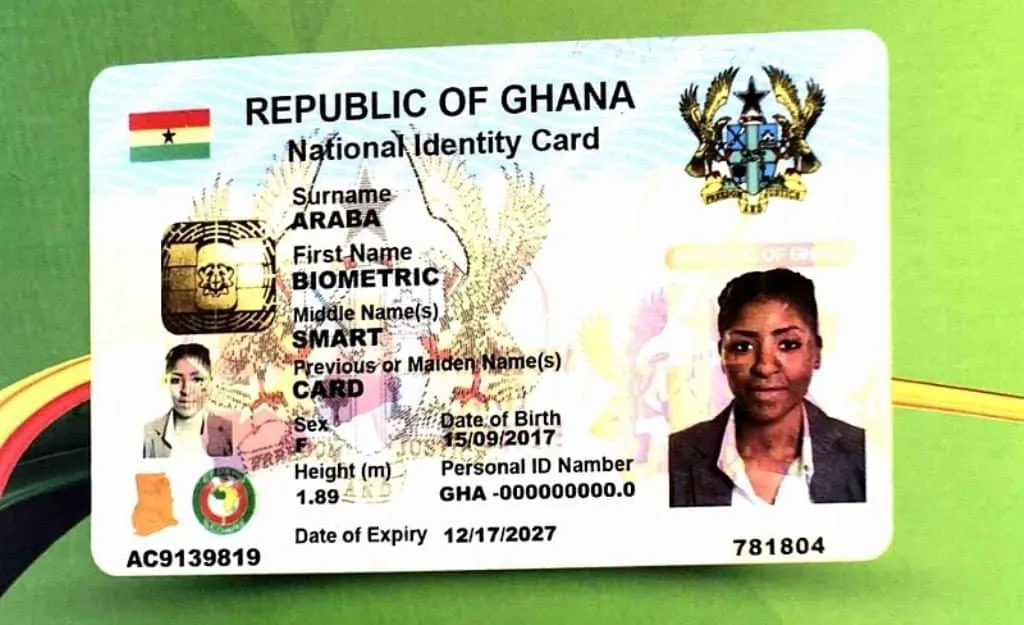
Ghana has introduced a digital wallet feature for the Ghana Card, allowing users to conduct digital payment transactions. This enhancement enables the Ghana Card to be linked to bank accounts for cash withdrawals at ATMs and online purchases, marking a significant advancement in the country’s digital finance landscape.
The digital wallet feature, first announced in September 2025, allows payments to be made to approximately 200 countries and territories. Users can activate the wallet through the MyCitizen App or by using a USSD code, making it accessible to a broader audience.
The Ghana Card serves not only as an identification document but also as a payment tool, reflecting the National Identification Authority’s (NIA) ambition to bolster financial inclusion. The NIA stated, “The ambition of layering an e-wallet on the Ghana Card also extends to other economic activities, including gold trading.” This integration aims to connect identity infrastructure more directly with everyday economic activity.
Historically, the Ghana Card’s e-passport function was activated in 2022, allowing it to be recognized as a passport in 197 countries. This development has positioned the Ghana Card as a versatile tool for both identification and international travel.
The cost for first-time issuance of the Ghana Card is 30 Ghanaian cedis (approximately US$2.73) for individuals under 25, while card replacement costs 200 Ghanaian cedis (around US$18). These pricing strategies aim to encourage wider adoption among the youth.
As the digital wallet feature rolls out, the NIA is focused on creating a uniform platform that integrates various banks, further enhancing the utility of the Ghana Card. The initiative is part of a broader strategy to reduce dependence on international card schemes like Visa and Mastercard.
Despite these advancements, details remain unconfirmed regarding the activation of the integration for gold trading. Observers are keenly watching how this feature will evolve and impact the financial landscape in Ghana.