The Ghana School of Law previously held a monopoly on professional legal training in Ghana. This situation limited access to legal education and created significant bottlenecks, particularly through a competitive entrance examination that many aspiring lawyers found challenging. The need for reform in this area has been a topic of discussion among legal professionals and educators for years.
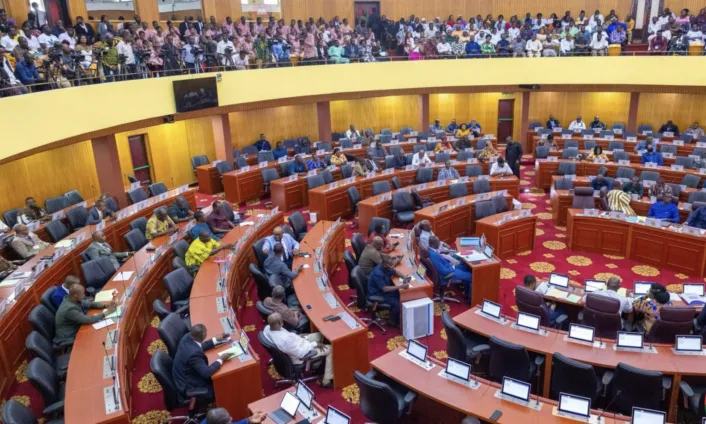
In a significant development, Parliament passed the Legal Education Bill on March 26, 2025, marking a reform in Ghana’s legal education system. The Bill ends the Ghana School of Law’s monopoly over professional legal training, allowing other accredited universities, including private institutions, to offer professional legal programmes. This change is expected to broaden access to legal education and promote equality of opportunity for aspiring lawyers.
The Bill establishes a Council for Legal Education and Training, which will regulate legal education and standardize curricula across institutions. This new framework aims to ensure that all law students receive a consistent and high-quality education, irrespective of the institution they attend. Graduates from these accredited universities will be prepared to sit for a National Bar Examination, a crucial step in their professional journey.
Attorney-General Dominic Ayine, who presented the Bill to Parliament on October 24, 2025, emphasized the importance of these reforms. He stated, “We are also introducing the National Bar Exam so that those who go through the law practice training course at the accredited universities can all write the National Bar Exam.” This initiative is expected to enhance the credibility of legal training in the country.
The reforms received bipartisan support in Parliament, reflecting a collective acknowledgment of the need for change in the legal education landscape. Mahama Ayariga, a member of Parliament, remarked, “We promised law students reforms that ensure equity, fairness, and access to legal education, and today, we have delivered.” This sentiment was echoed by Kwaku Ansa-Asare, who noted, “Now that monopoly has been taken away, access to legal education has been broadened.”
Observers believe that the reforms will address fairness and transparency in the admission process, which has been a significant concern for many years. The changes are seen as a step towards creating a more inclusive and equitable legal education system in Ghana.
As the implementation of the Legal Education Bill begins, stakeholders in the legal community are optimistic about the future of legal education in Ghana. The establishment of the Council for Legal Education and Training and the introduction of the National Bar Examination are expected to bring about significant improvements in the quality and accessibility of legal training.