Recent Developments
As of early March 2026, the Ghanaian cedi has experienced notable changes in its economic landscape. Just before this period, Ghana was grappling with significant inflation, which peaked at 54% in 2022 during a severe economic crisis. However, recent data indicates a marked improvement.
In February 2026, Ghana’s inflation rate fell to 3.3%, signaling a positive shift in the economy. Winston Tackie, an economic analyst, commented, “Inflation simply means prices are rising more slowly,” highlighting the easing of price pressures.
Currency Performance
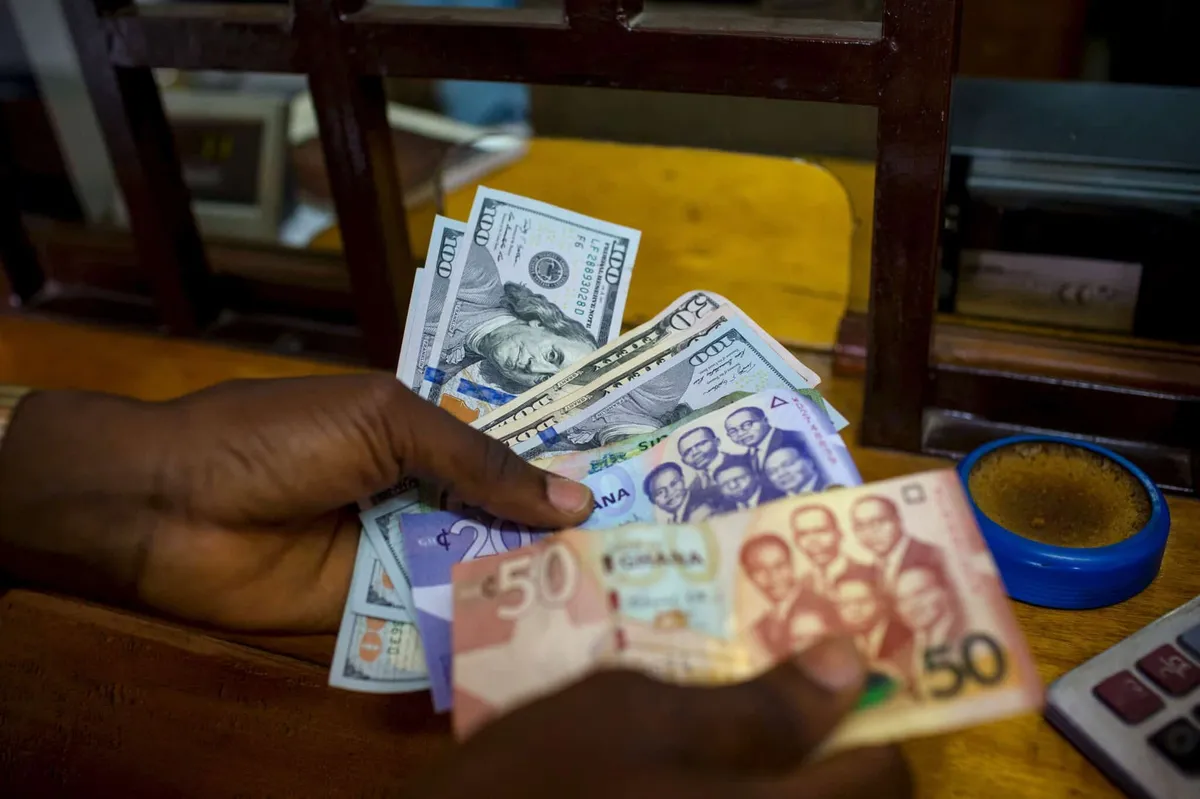
The cedi’s depreciation against the U.S. dollar has also slowed, with a reported decline of only 1.65% since the start of 2026. This contrasts sharply with previous years, where volatility was rampant. Notably, the cedi appreciated by approximately 2.21% from the second week of February 2026, suggesting a recovery in currency strength.
Trading activity in February recorded a daily average turnover of around $20 million, reflecting a more stable foreign exchange market. The month opened with the exchange rate at USD/GH¢10.9500/10.9800 and closed at GH¢10.7000/10.7550, indicating a strengthening of the cedi against the dollar.
Central Bank Actions
The Bank of Ghana has taken significant steps to stabilize the currency, including a reduction in its policy rate from 14.58% to 11.71%. This decision is expected to encourage borrowing and investment, further supporting economic growth.
Additionally, the central bank sold a total of $902 million through its bi-weekly auctions in February 2026, which has contributed to improving liquidity in the foreign exchange market. By mid-February, FX liquidity improved, coinciding with the Chinese New Year holidays, during which demand for hard currency softened materially.
Food Inflation Trends
Food inflation has also seen a dramatic decrease, falling from 18.8% to about 4%. This decline is crucial for the average Ghanaian, as food prices constitute a significant portion of household expenses.
As the Ghanaian economy continues to recover, these developments surrounding the cedi and inflation rates are vital for stakeholders, including consumers, businesses, and policymakers. The stabilization of the cedi may lead to increased confidence in the economy, fostering a more favorable environment for investment and growth.