Introduction
The comparison between Greece and Finland might seem unusual at first glance due to their different geographical locations and cultural heritages. Greece, renowned for its ancient history, beautiful islands, and vibrant culture, contrasts sharply with Finland, known for its modern education system, pristine nature, and efficient governance. Understanding the differences and similarities between these two nations is important for cultural exchange, tourism, and international relations.
Cultural Heritage
Greece boasts a rich cultural history that dates back thousands of years, with numerous historical landmarks including the Acropolis, while its traditions reflect a blend of ancient customs and modern lifestyle. Greek cuisine, famous for its Mediterranean flavors, plays a significant role in its culture. In contrast, Finland offers a unique blend of Nordic traditions and influences from various European cultures. Finland is known for its design excellence, particularly in architecture and furniture, exemplified by creators like Alvar Aalto and Eero Saarinen.
Economics
Economically, Greece has faced significant challenges, particularly post-2008 financial crisis, but has shown resilience and recovery, backed by tourism and shipping industries. The Greek GDP rebounded with a growth rate of approximately 5.5% in 2021. Conversely, Finland’s economy is stable, heavily relying on technology, manufacturing, and exports. The country has a high GDP per capita, reflecting a strong welfare system that prioritizes education and health.
Sporting Rivalry
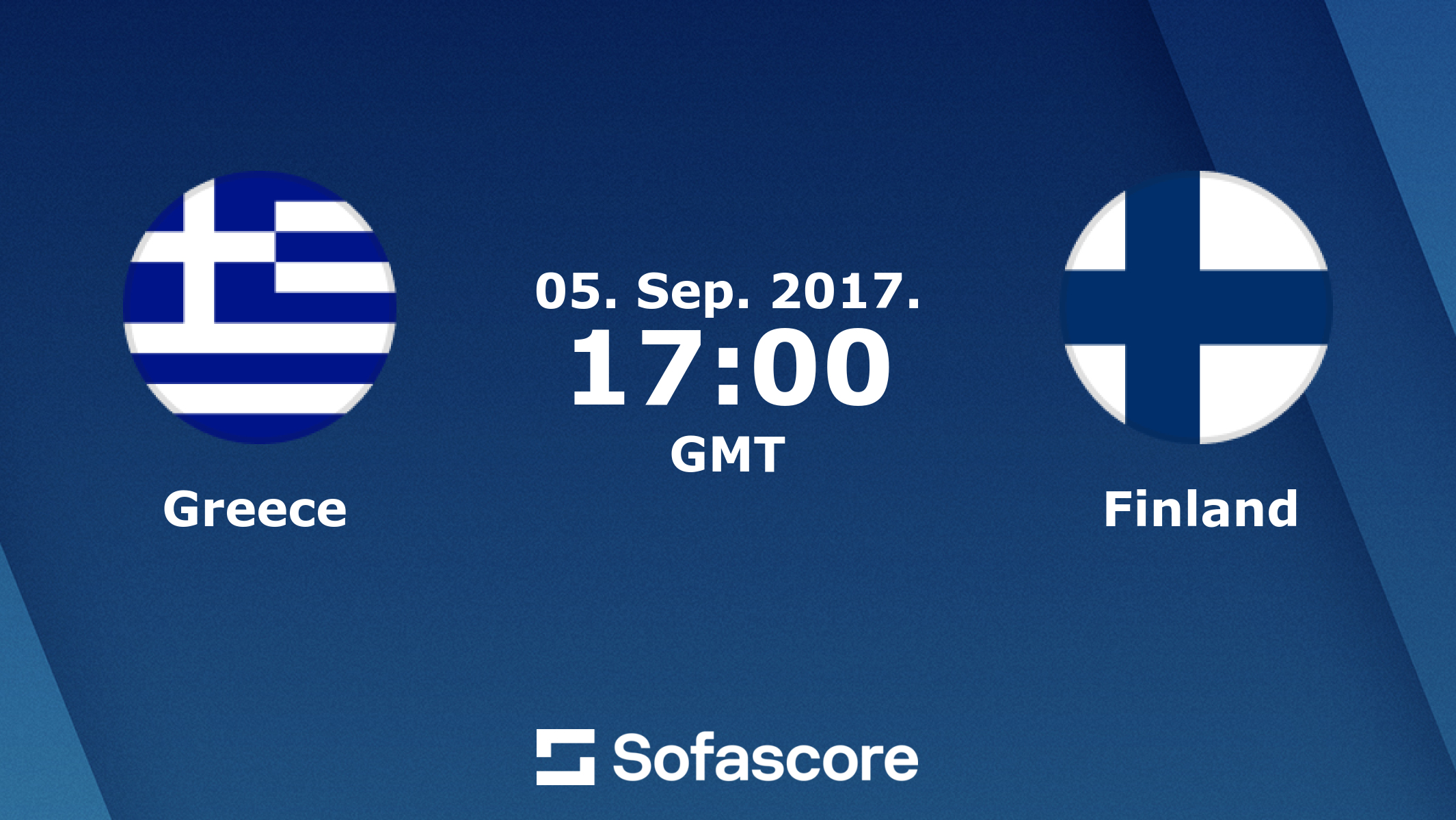
In the realm of sports, the rivalry between Greece and Finland often emerges in football and basketball. Greece’s national football team shocked Europe by winning the Euro 2004 championship, while its basketball teams regularly compete with top-tier nations. Finland, on the other hand, is famed for its winter sports, regularly excelling in skiing, and has a passionate following for ice hockey. The upcoming international fixtures could reignite the competitive spirit between the nations.
Conclusion
Though Greece and Finland are disparate in many ways, both countries offer unique contributions to the world stage, whether through history, economics, or sports. Understanding these facets not only enhances our appreciation of their rich backgrounds but also serves to promote leisure and cultural tourism. The continuous exploration of both nations can foster better bilateral relations, providing abundant opportunities for cultural exchange. As Greece and Finland engage more with each other on various fronts, the potential for collaborative projects and shared innovations remains significant.