Introduction
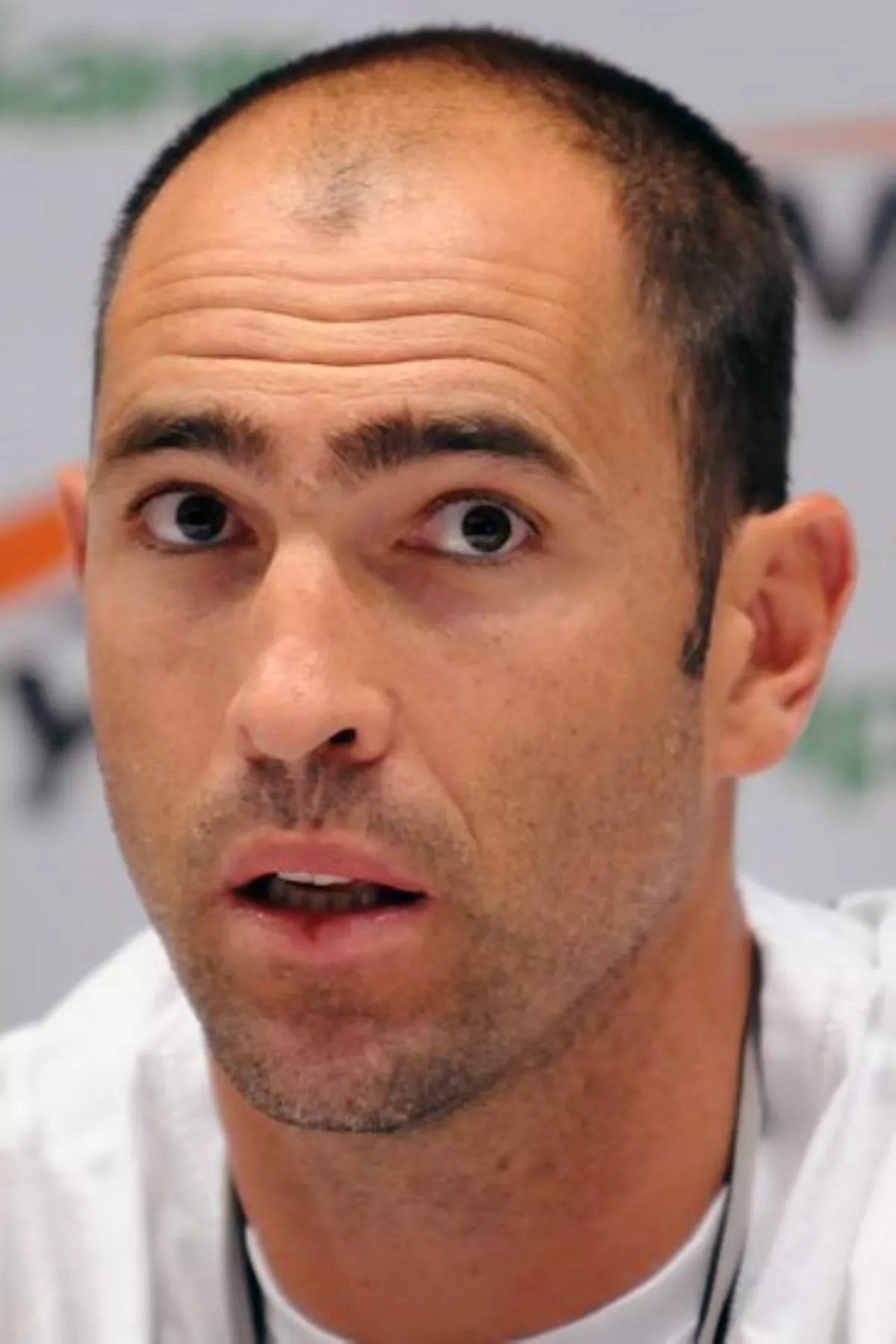
Igor Tudor, a former Croatian footballer turned manager, is rapidly becoming a prominent figure in the world of football management. His coaching prowess has caught the attention of teams across Europe, especially after a series of impressive performances in recent seasons. Understanding Tudor’s methodologies and achievements is essential, as his influence on the game continues to grow.
Climbing the Ranks
Tudor began his managerial career at Hajduk Split, where he showcased his tactical acumen but was soon seeking greater challenges. His tenure at the Ukrainian club, Karpaty Lviv, further developed his coaching style. It wasn’t until he joined Hellas Verona in Serie A that he truly made headlines, leading the club to a commendable finish despite being a newly promoted team.
Recent Achievements
In 2022, Tudor took charge at Olympique de Marseille and made an immediate impact, guiding the team to a strong league performance and a more aggressive playing style compared to his predecessors. Under his leadership, Marseille displayed a revitalized form, culminating in a second-place finish in Ligue 1 and a deep run in the domestic cup competitions. His capacity to blend youth with experience has been instrumental in Marseille’s resurgence, making him a favorite among fans.
Management Philosophy
Igor Tudor’s management philosophy emphasizes a balance between defensive solidity and attacking creativity. His teams are known for their high-pressing game and quick transitions, often catching opponents off-guard. Furthermore, Tudor’s emphasis on player development has allowed some of the club’s young stars to shine on a grander stage, which could ensure long-term success.
Future Prospects
Looking ahead, Tudor’s potential could see him managing at even higher-profile clubs or national teams. His recent performances have solidified his reputation, and he has already been featured in conversations regarding potential managerial roles in prestigious clubs around Europe. As football continues to evolve, Tudor’s innovative approach may shape the future tactics of the sport.
Conclusion
Igor Tudor stands at the forefront of a new generation of football managers, characterized by analytical thinking and a dynamic approach to the game. His journey reflects a blend of hard work and strategic insight, which will undoubtedly inspire aspiring coaches. As he continues to make waves in the football world, fans and analysts alike will be watching closely to see where his career takes him next.