What does International Women’s Day signify for women in Ghana and beyond?
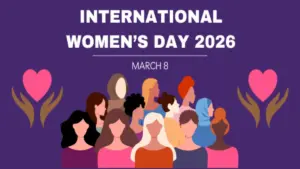
International Women’s Day, celebrated annually on March 8, raises critical questions about the progress made in gender equality and the challenges that remain. This year, the theme is ‘Give to Gain’, emphasizing the importance of supporting women’s empowerment as a means to foster national development. The day serves not only to celebrate women’s achievements but also to highlight ongoing issues such as gender discrimination and pay gaps.
The Role of Women in Ghana’s Economy
In Ghana, women play a pivotal role in various sectors, particularly in the fishing industry, where they constitute more than 80 percent of the workforce in fish processing and trading. This significant contribution underscores the economic necessity of empowering women, as their involvement is crucial for the country’s development. President John Dramani Mahama has emphasized that investing in women’s growth benefits the entire nation, stating, “When we give opportunities, resources, and unwavering support to our women, we gain as a country.” This sentiment reflects a growing recognition of the integral role women play in driving economic progress.
A Historical Perspective
The origins of International Women’s Day can be traced back to the early 20th century, with the first National Women’s Day celebrated in the United States on February 28, 1909. The day was born out of activism, as women campaigned for better working conditions, voting rights, and equal pay. In 1975, the United Nations officially recognized and began celebrating International Women’s Day during the International Women’s Year, marking a significant milestone in the global movement for women’s rights.
Current Celebrations and Reflections
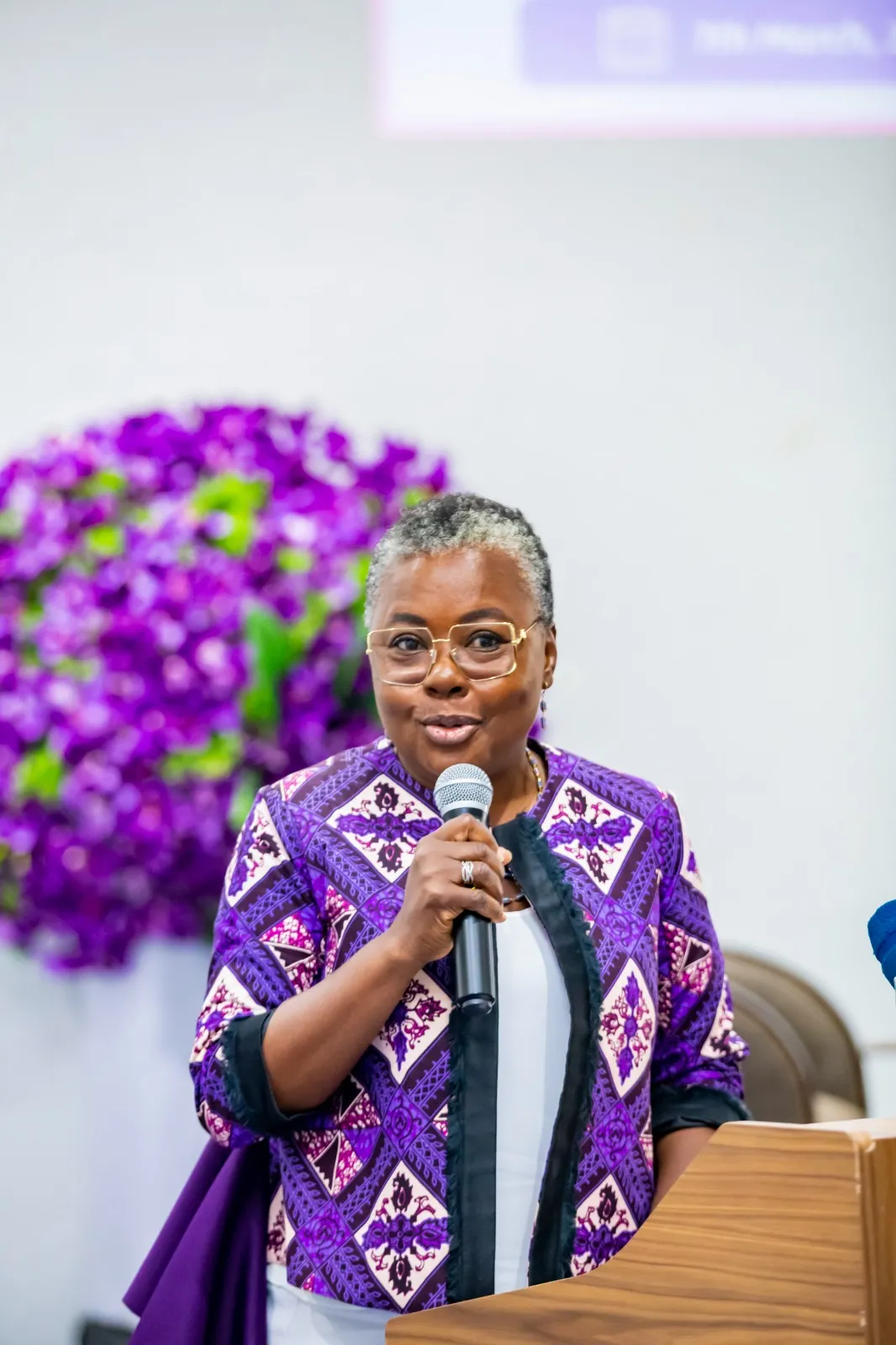
The gathering in Accra this year provided an opportunity for women professionals to reflect on the progress made in advancing gender equality. Key figures such as Emelia Arthur and Yvonne Nana Afriyie Opare highlighted the importance of collaboration and mentorship in driving meaningful change. Arthur noted, “Every gain we celebrate today exists because someone, somewhere, gave their time, knowledge, mentorship, courage or opportunity.” This acknowledgment of collective effort is crucial in understanding the strides made toward equality.
Challenges Ahead
Despite the progress, challenges remain. Women continue to face significant barriers, including gender discrimination and unequal pay. The International Women’s Day serves as a platform to address these persistent issues while celebrating the achievements of women across various sectors, including aviation, health, business, and governance. The importance of Women’s Day lies in its ability to raise awareness, inspire action, and motivate societal change.
Looking Forward
As we celebrate International Women’s Day, the focus shifts to what comes next. The commitment to gender equality must be sustained, and the call for action remains urgent. Women like Opare emphasize the need for ongoing support: “Through sustained collaboration, mentorship and support, women could continue to drive meaningful change, strengthen institutions and contribute to building a more inclusive and prosperous society.” The future of gender equality hinges on the collective efforts of all stakeholders.
In summary, International Women’s Day is not just a celebration; it is a reminder of the work that still needs to be done. As the world reflects on the achievements of women, it is essential to continue advocating for their rights and ensuring that their contributions are recognized and valued. Details remain unconfirmed regarding specific initiatives that may arise from this year’s celebrations, but the commitment to progress remains clear.