Introduction
As the political landscape in the United States continues to evolve, understanding the classification of states is crucial for voters, politicians, and analysts alike. The term “red state” typically refers to states that lean towards the Republican Party during elections. This categorisation is vital as it influences national policies, electoral college votes, and party strategies. One state often identified as a red state is Utah, but what are the facts and figures supporting this classification?
The Republican Dominance in Utah
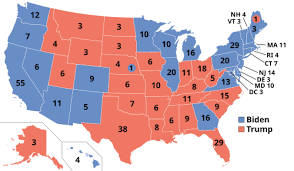
Utah has maintained a consistent Republican presence in both State and Federal elections for decades. The state has voted for the Republican presidential candidate since 1964, with significant margins. In the 2020 election, Donald Trump won Utah with approximately 58.1% of the vote, compared to Joe Biden’s 37.7%. Such results indicate a robust support for Republican candidates.
Furthermore, Utah’s state legislature is overwhelmingly Republican. In the 2021 session, Republicans held a supermajority in both the House and Senate, which empowers them to dominate legislative agendas and policymaking processes.
Demographics and Culture
Several factors contribute to Utah’s status as a red state. The state’s demographics, primarily influenced by the presence of the Church of Jesus Christ of Latter-day Saints (LDS Church), plays a significant role in the political leanings of its residents. The LDS community often supports traditional conservative values, impacting electoral behaviour.
Moreover, issues such as gun rights, limited government, and family-oriented policies resonate deeply with Utah voters, reinforcing the state’s conservative ethos. Data from the 2022 midterm elections also highlighted Utah’s legislative tendencies towards conservative policies on education, healthcare, and environmental management.
Emerging Trends and Future Implications
While Utah is traditionally seen as a red state, recent elections and demographic shifts indicate potential changes on the horizon. Increased urbanisation, particularly in areas like Salt Lake City and Provo, is leading to a younger and more diverse electorate that may have different priorities compared to previous voters.
The growing influence of independent voters and increasing participation from minority communities suggest a gradual shift that could challenge the Republican stronghold in forthcoming elections. Political experts are keeping an eye on these changes, considering their implications for both local and national politics.
Conclusion
In conclusion, Utah currently fits the profile of a red state, bolstered by a strong Republican presence in elections and the state legislature. However, the evolving demographics and rising independent voter base may signify forthcoming political changes. As Utah moves towards future elections, it is essential for stakeholders to monitor these trends closely, as they could reshape the state’s political landscape significantly.