Introduction
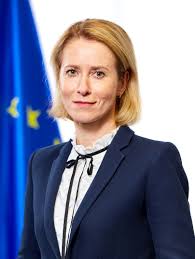
Kaja Kallas, the current Prime Minister of Estonia, has made significant strides in both national and European politics since her election in January 2021. As Estonia’s first female prime minister, Kallas’ leadership is pivotal, especially amid ongoing geopolitical tensions in Eastern Europe. Her governance is reflective of Estonia’s commitment to democracy, digital advancement, and European integration, making her a key figure in contemporary global politics.
Political Background
Kallas, a member of the Reform Party, previously served as a Member of the European Parliament and has been active in Estonian politics for years. Taking the helm as Prime Minister during a challenging period defined by the COVID-19 pandemic and rising energy prices, she has advocated for policies aimed at economic resilience and green energy.
Response to Current Events
Recent events have put Estonia in the spotlight, particularly due to the geopolitical dynamics surrounding Russia’s actions in Ukraine. Kallas has been vocal about the need for a united European response, urging for increased NATO presence in the region to bolster security. Under her leadership, Estonia has also ramped up military aid to Ukraine, reflecting a firm stance against aggression.
Moreover, Kallas initiated policies aimed at enhancing energy independence, diversifying energy supplies, and investing in renewable energy sources. This is particularly crucial given that Estonia, like many European nations, is striving to reduce dependence on fossil fuels in the wake of rising global energy prices.
Public Support and Challenges
Kaja Kallas has earned significant support domestically, with recent polls indicating a majority backing her government’s approach to handling the current crisis. Nonetheless, her administration faces challenges such as inflation and public discontent over rising living costs. Kallas’ ability to navigate these issues will be pivotal as her government heads towards the next election cycle.
Conclusion
Kaja Kallas stands as a prominent leader in Estonia and the European political landscape. Her administration’s handling of both local and international crises presents a unique blend of progressive policy-making and firm leadership during challenging times. Looking ahead, her focus on security, economic stability, and sustainability will not only shape Estonia’s future but also influence broader European strategies. Observers will continue to watch her responses to global tensions and how they affect Estonia’s position within the EU.