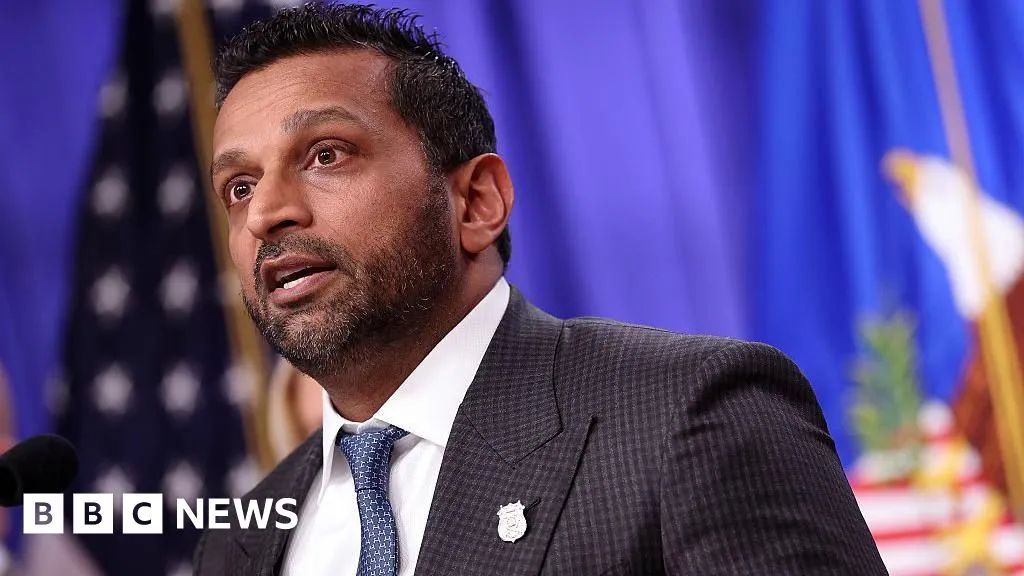
On March 27, 2026, Kash Patel, the director of the FBI, found himself at the center of a significant cybersecurity breach. The Handala Hack Team, a group linked to Iranian cyberintelligence, claimed responsibility for hacking Patel’s personal email account. This incident has raised serious concerns regarding the security of high-profile government officials.
The Handala Hack Team released various photographs and documents from Patel’s email, some of which were over a decade old. The exact timing of the hack remains unclear, but the group stated that their actions were in retaliation for U.S.-Israeli operations in Iran.
In response to the breach, the FBI confirmed that they were aware of malicious actors targeting Patel’s personal email. They emphasized that the information compromised was historical and did not involve any current government data. This statement aimed to alleviate concerns regarding the potential exposure of sensitive information.
The Handala Hack Team, which describes itself as pro-Palestinian hacking vigilantes, has previously claimed credit for other cyberattacks, including a notable incident involving Stryker, a medical device company. Their recent operation against Patel has been characterized as marking ‘the beginning of a new chapter in cyber warfare.’
As the situation unfolds, the Trump administration has announced a reward for information leading to the identification of Handala group members. This move reflects the increasing urgency surrounding cybersecurity threats against government officials.
In a statement, the Handala Hack Team remarked, “Kash Patel, the current head of the FBI, who once saw his name displayed with pride on the agency’s headquarters, will now find his name among the list of successfully hacked victims.” This comment underscores the implications of the breach for Patel’s reputation and the FBI’s cybersecurity measures.
While the FBI has reassured the public that no government information was compromised, the breach raises questions about the effectiveness of current security protocols in protecting personal accounts of high-ranking officials.
Details remain unconfirmed regarding the full scope of the documents released and the exact timeline of the hack. However, the incident has highlighted the ongoing challenges posed by cyber threats, particularly those linked to geopolitical tensions.
The Handala group’s actions and their motivations reflect broader issues of cybersecurity and international relations, especially concerning U.S. actions in the Middle East. As investigations continue, the implications of this breach will likely resonate within both the cybersecurity community and the political landscape.