Introduction
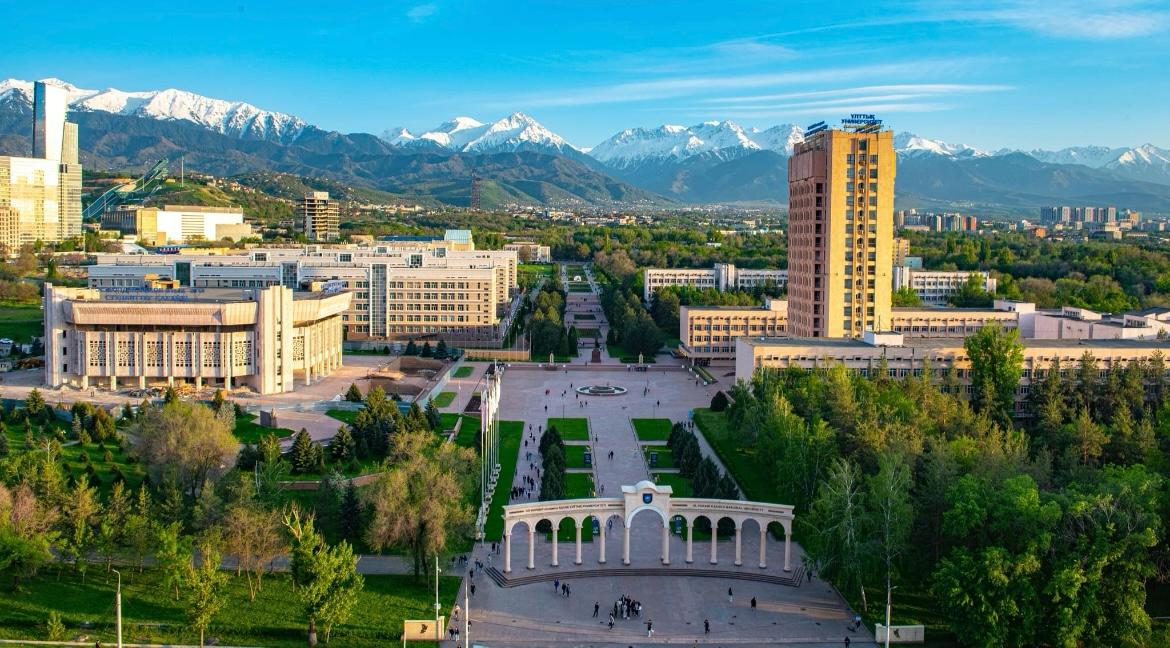
Kazakhstan, the world’s largest landlocked country, is making headlines as it continues to develop into a significant player in Central Asia. With its strategic location, abundant resources, and ongoing reforms, Kazakhstan has the potential to influence trade and politics not only in the region but also globally. Understanding Kazakhstan’s current situation is crucial for investors, policymakers, and anyone interested in the dynamics of Central Asian geopolitics.
Current Developments
In recent years, Kazakhstan has witnessed significant economic growth, along with political transformations under President Kassym-Jomart Tokayev’s leadership. Following the peaceful transfer of power from long-time leader Nursultan Nazarbayev, Tokayev has initiated a series of reforms aimed at increasing governmental transparency and expanding civil rights. The country has also made strides in diversifying its economy, which has historically relied on oil and gas exports. In 2023, Kazakhstan’s GDP growth rate is projected to be around 3.5%, bolstered by investments in technology sectors and renewable energy.
Geopolitical Significance
Kazakhstan stands at the crossroads of Europe and Asia, making it a pivotal location for trade routes and international collaboration. Recently, the country has embraced a balanced foreign policy, maintaining strong ties with both Russia and China while fostering relationships with Western nations. Kazakhstan’s participation in organizations like the Eurasian Economic Union (EEU) and its role as a member of the United Nations Security Council (for 2022-2023) exemplify its growing diplomatic influence.
Social and Cultural Aspects
Beyond politics and economics, Kazakhstan is rich in cultural heritage, with a population that reflects a diverse blend of ethnicities, including Kazakhs, Russians, Uighurs, and others. The country is actively promoting its culture through international events and festivals, enhancing its global image.
Conclusion
As Kazakhstan continues on its path of reform and development, it is poised to become a more integral player in regional and global affairs. Investors may find new opportunities in its growing markets, while global policymakers will be keenly watching how the country navigates its challenges and harnesses its potential. The significance of Kazakhstan in the Central Asian landscape will only grow in the coming years, making it a focal point for international attention.