Introduction
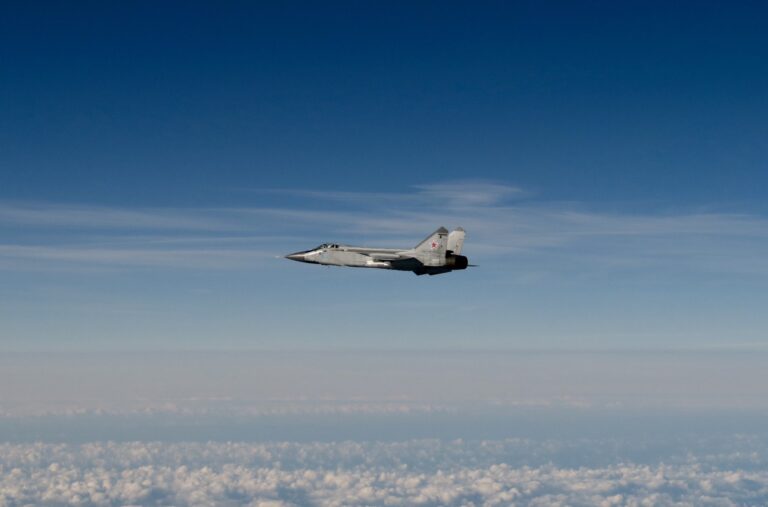
The topic of Russian fighter jets holds significant relevance in the context of global military dynamics and international relations. As Russia continues to modernise its armed forces, developments in its aerial capabilities are closely monitored by military analysts and geopolitical experts alike. The advancements in Russian fighter jet technology impact regional security, defence strategies, and international alliances.
Recent Developments
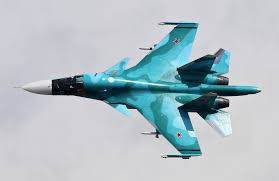
In recent months, there have been notable enhancements in the fleet of Russian fighter jets, particularly with the Sukhoi Su-57 and the Mikoyan MiG-35. The Su-57, Russia’s fifth-generation stealth fighter, has seen increased deployment in operational theatres, showcasing its capabilities during joint exercises and military displays. Furthermore, the Russian Air Force announced a plan to procure additional units of the Su-57, with estimates suggesting that up to 76 jets will be delivered by the year 2028.
In the context of international conflicts, Russian fighter jets have played a crucial role in the conflict in Ukraine. Russian forces have markedly employed aerial strategies targeting key Ukrainian infrastructure, demonstrating the effectiveness of their air superiority doctrine. The advanced avionics and weaponry on these aircraft have enabled them to engage in complex missions, further asserting Russia’s military presence in the region.
Global Reactions and Implications
The advancements in Russian fighter jets have raised concerns among Western nations and NATO allies regarding air defence capabilities and deterrence strategies. In response to the perceived threats posed by Russia’s aerial capabilities, NATO has reinforced its eastern flank, increasing the number of air patrols in the region and expanding alliances with nations bordering Russia.
Additionally, the potential for arms proliferation, including the sale of Russian fighter jets to allied nations, is under scrutiny. Countries in the Middle East and Asia have expressed interest in acquiring advanced Russian aircraft, which further complicates the geopolitical landscape.
Conclusion
In summary, the developments surrounding Russian fighter jets illustrate not only Russia’s commitment to enhancing its military capabilities but also the broader implications for global security. As tensions continue in Eastern Europe and beyond, understanding these aerial advancements is critical for anticipating shifts in military strategy and international relations. Going forward, analysts will need to remain vigilant in monitoring these developments, assessing how they might impact regional and global power balances for years to come.