Introduction
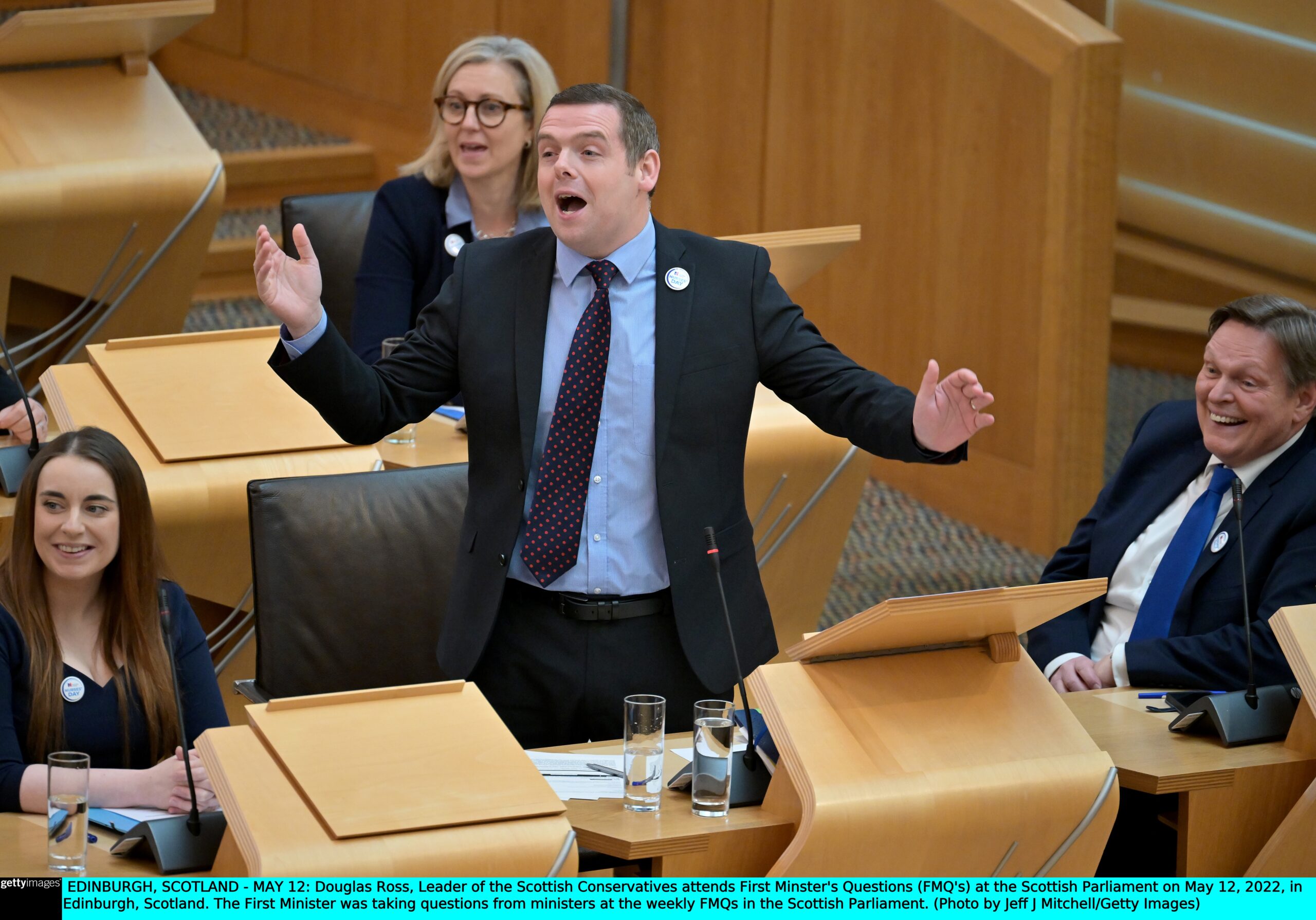
Douglas Ross, the leader of the Scottish Conservative Party, plays a pivotal role in shaping the political landscape in Scotland today. His leadership comes at a critical time when Scotland’s political debates are increasingly polarised, especially regarding issues such as independence and economic recovery. Understanding Ross’s position and the Conservative Party’s strategic responses is essential for grasping the complexities of current Scottish politics.
Background of Douglas Ross
Douglas Ross was elected as the leader of the Scottish Conservatives in August 2020. He is known for his strong opposition to the Scottish National Party (SNP) and advocating for the Union. Ross’s political career began as a Member of Parliament for Moray, where he was active in community issues and party politics. His rise in the Conservative ranks has been marked by his commitment to both local concerns and broader national issues.
Key Political Challenges
Ross has faced significant challenges during his tenure, particularly in addressing the ongoing discussions surrounding Scottish independence. With the SNP pushing for a second referendum, Ross argues that the focus should instead be on recovery from the COVID-19 pandemic and rebuilding the economy. He emphasises the need for unity in Britain and the detrimental effects of separatism on Scottish prosperity.
Recent Initiatives and Policies
In recent months, Douglas Ross has spearheaded initiatives aimed at revitalising areas most affected by the pandemic, focusing on job creation and healthcare. His party has proposed measures to support businesses and enhance Scotland’s educational infrastructure as part of a recovery plan. Moreover, Ross has called for greater accountability from the SNP-led Scottish Government regarding its handling of public funds and services.
Future Outlook
Looking ahead, Douglas Ross is positioning the Scottish Conservatives as a credible alternative to the SNP. As the political landscape continues to evolve, he aims to galvanise support by addressing pressing local and national issues. With the next Scottish Parliament elections approaching, there is speculation about whether Ross’s strategies will resonate with voters seeking stability and economic reassurance in uncertain times.
Conclusion
Douglas Ross’s leadership has significant implications for the future of Scottish politics. As he navigates challenges such as the independence debate and economic recovery, his responses could determine the Conservative Party’s positioning in Scotland. For voters, understanding Ross’s vision will be crucial in the lead-up to the upcoming elections, making his role in Scottish politics one to watch in the following months.