Significant Impact of Recent Attacks
The ongoing conflict in Lebanon has reached a critical point following a missile attack on a Ghanaian peacekeeping base, which injured three soldiers. This incident has prompted Ghana to lodge a formal protest with the United Nations, emphasizing the serious implications of targeting peacekeepers in conflict zones.
Details of the Missile Attack
On March 7, 2026, two missiles struck the Ghana battalion headquarters for the UN Interim Force in Lebanon (UNIFIL). The attack resulted in two Ghanaian soldiers suffering critical injuries, while another soldier experienced trauma from the incident. The officers’ mess at the Ghana base was completely destroyed by the missile fire, highlighting the severity of the situation.
Casualties from Israeli Airstrikes
In addition to the attack on the peacekeeping base, Israeli air and ground raids on the Lebanese town of Nabi Chit have resulted in at least 26 fatalities, including three Lebanese army soldiers. The Lebanese Health Ministry reported that at least 217 individuals have died from Israeli attacks on Lebanon within the same week, underscoring the escalating violence and humanitarian crisis.
International Reactions
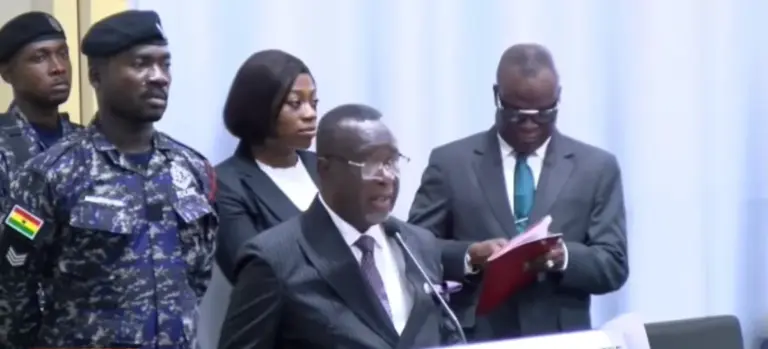
The Ghanaian foreign ministry condemned the missile attack, stating, “Ghana dey strongly condemn dis attack wey we dey demand say those wey dey involved go face accountability sake of dis be violation of international law.” This statement reflects the broader international concern regarding the safety of peacekeepers and the adherence to international law in conflict situations.
UNIFIL’s Response
The UN Interim Force in Lebanon (UNIFIL) has reported that three peacekeepers were injured due to missile attacks on their base. A spokesperson for UNIFIL remarked, “It is unacceptable that peacekeepers performing (UN) Security Council-mandated tasks are targeted,” emphasizing the critical role of peacekeeping forces in maintaining stability in the region.
Israeli Perspective
In response to the escalating conflict, the Israeli ambassador to Ghana expressed concern for the injured soldiers, stating, “We don dey send our well wishes and speedy recovery to di three soldiers wey efforts dey underway to identify di source of di fire wey Israel Defense Forces (IDF) bin dey investigate.” This statement indicates Israel’s acknowledgment of the situation and its implications for regional security.
Broader Context of the Conflict
The conflict in Lebanon has been exacerbated by ongoing exchanges of fire between Israel and Hezbollah, leading to significant casualties and international concern. Prime Minister Nawaf Salam remarked, “Our country has been drawn into a devastating war that we did not seek and did not choose,” highlighting the complex dynamics at play in the region.
Looking Ahead
As the situation continues to evolve, the international community remains watchful of developments in Lebanon. Details remain unconfirmed regarding the full extent of the conflict and the potential for further escalation. The need for diplomatic efforts to address the underlying issues remains critical in preventing further violence and ensuring the safety of civilians and peacekeepers alike.