Introduction
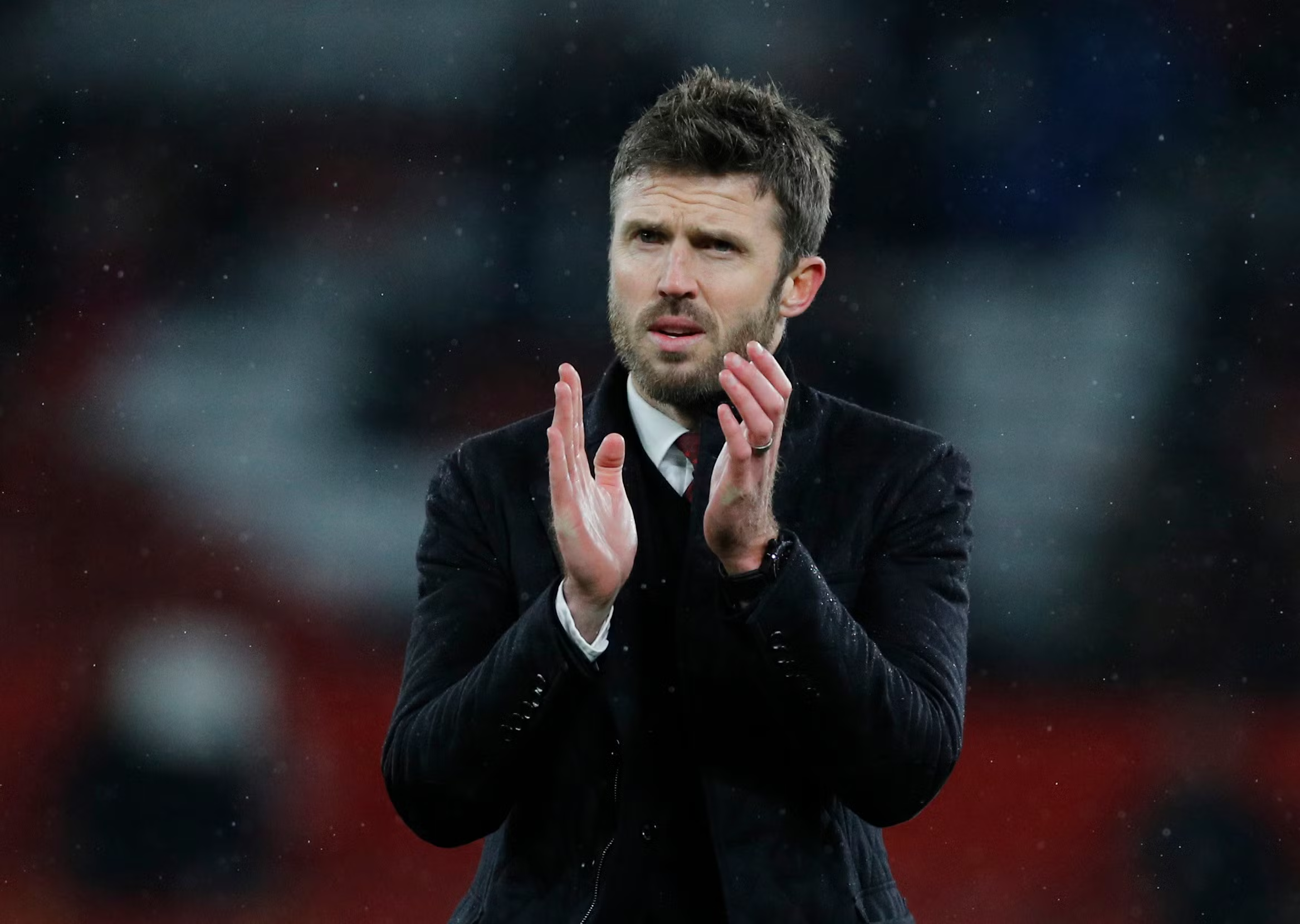
Michael Carrick, a prominent figure in English football, has transitioned from a celebrated player to a promising manager. His rise in managerial ranks is not only a testament to his footballing acumen but also highlights a new era in management styles within the game. As the football world observes his every move, Carrick’s approach and strategies are of increasing relevance to clubs seeking to mould future talents and achieve success.
Background
After a distinguished playing career primarily at West Ham United, Tottenham Hotspur, and Manchester United, where he won numerous titles including the UEFA Champions League, Carrick transitioned to management in 2021. Initially serving as an interim manager at Manchester United, he quickly caught the attention of the football community with his tactical insights and calm demeanor.
Current Role and Performance
In October 2021, Carrick took over as head coach at Middlesbrough FC, where he has been steering the team through the challenges of the Championship. His tenure at Middlesbrough has been marked by a thoughtful approach to player development and team strategy. Carrick has emphasised attacking football, combined with a solid defensive framework, seeking to unify the squad under a clear vision.
His efforts have borne fruit, as Middlesbrough has seen improvements in their league standing and overall performance. Analysts have noted his ability to inspire and develop younger players, suggesting he possesses a rare talent for coaching that may lead to greater success in higher divisions.
Impact on Modern Football
Michael Carrick’s managerial style reflects a significant shift in modern football management, where former players are increasingly stepping up to the coaching ranks. His insights into the game, drawn from his extensive experience as a player, resonate within the changing dynamics of professional football. The success of former players like Carrick suggests that clubs may prioritise hiring individuals with not just tactical knowledge, but also a deep understanding of the game from a player’s perspective.
Conclusion
As Michael Carrick continues to develop as a manager, football enthusiasts and stakeholders are keenly watching how his tenure at Middlesbrough unfolds. The potential future of Carrick in football management looks bright, and there is speculation that he may eventually return to a Premier League managerial position. His journey emphasizes the importance of nurturing managerial talent within the sport, making it essential for clubs to consider the value of hiring former players who can translate experience into effective coaching.