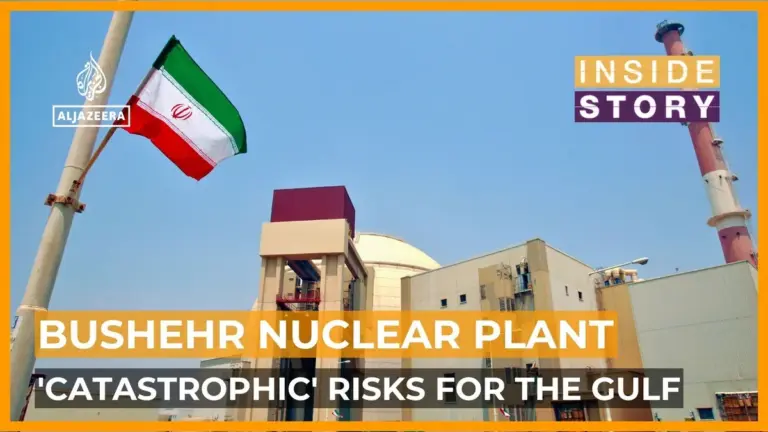
As tensions in the Middle East continue to evolve, the focus on missile capabilities has intensified. Iran, despite suffering significant losses, still possesses thousands of ballistic missiles, which can be launched from underground storage facilities. The U.S. has claimed that Iran’s missile program has been severely degraded, with President Donald Trump stating, “Iran’s military is defeated, Their military is gone. We’ve degraded just about everything. They have very few missiles. They have very little manufacturing capability. We’ve hit them hard.” This statement reflects the ongoing concerns regarding Iran’s military capabilities and the implications for regional stability.
In recent years, Iran’s missile stockpile has been cut roughly in half, yet it still retains thousands of medium- and short-range ballistic missiles. The U.S. Defense Secretary Pete Hegseth has asserted that Iran’s missile program is “functionally destroyed,” indicating a significant shift in the balance of power in the region. However, the exact status of Iran’s missile capabilities remains a point of contention, with estimates suggesting that around 3,000 Iranians have been killed in the conflict, alongside 13 U.S. servicemen.
Meanwhile, Turkey has been making substantial investments in its missile technology. On April 7, 2026, Roketsan, a leading Turkish defense contractor, unveiled a previously unknown large ballistic missile during a ceremony attended by President Recep Tayyip Erdogan. This event marks a significant milestone in Turkey’s military advancements, showcasing its growing capabilities in missile technology.
Roketsan has also opened three new production facilities with a total investment of $1 billion, which includes the Kirikkale Fuel Production Plant, set to quintuple Türkiye’s fuel production capacity with an investment value of $450 million. Additionally, the Lalahan Warhead Plant, described as Europe’s largest warhead facility, has been established with an investment of $350 million. These developments are part of a broader strategy to enhance Turkey’s defense capabilities.
President Erdogan emphasized the importance of these investments, stating, “With these investments, we will strengthen our multipronged air defense, boost our strategic power, consolidate our cruise and ballistic missile capabilities.” This statement underscores Turkey’s commitment to enhancing its military capabilities amid regional tensions.
Furthermore, the N-26 R&D and Engineering Center, built at a cost of $100 million, is designed to accommodate 1,000 engineers, indicating a long-term investment in research and development within the defense sector. Roketsan’s overall investment plan amounts to approximately $3 billion, which is expected to create around 3,300 new jobs in the defense industry.
On the other side, the United States has introduced a new short-range ballistic missile known as the Precision Strike Missile (PrSM), which has been utilized in combat against Iranian targets. This development reflects the ongoing arms race in the region and the strategic importance of missile technology in contemporary warfare.
The current state of missile technology and capabilities in both Iran and Turkey highlights the shifting dynamics in military power within the region. As both nations continue to develop their missile programs, the implications for regional security and international relations remain significant. Details remain unconfirmed about future developments, but the focus on missile capabilities will likely continue to shape military strategies in the years to come.