Introduction
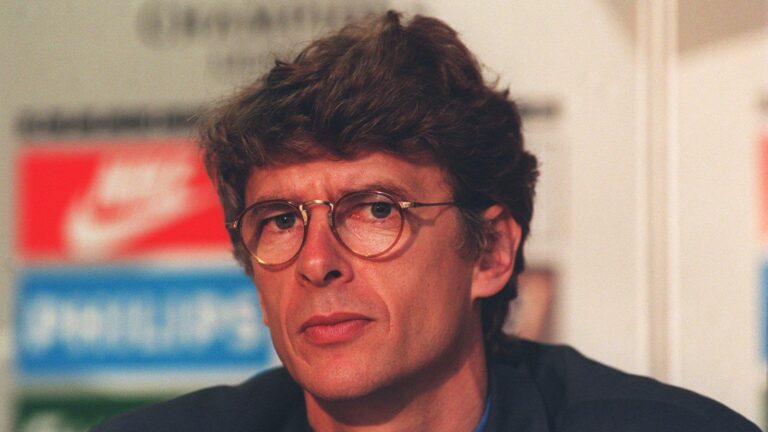
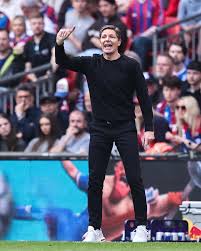
Oliver Glasner, the Austrian football manager, has been making headlines recently for his impressive coaching career in European football. His tactical insight and ability to motivate players have established him as a significant figure in the sport, especially with his ongoing role at VfL Wolfsburg in the Bundesliga. Understanding Glasner’s coaching philosophy is vital as it sets a benchmark for emerging managers and provides insights into the evolving landscape of football management.
Background and Career Progression
Oliver Glasner began his professional playing career as a central defender, spending significant time at SV Ried and later at LASK Linz. However, his transition into management has truly defined his career. After a successful stint coaching LASK, where he led the team to an impressive second place in the Austrian Bundesliga, Glasner took over as head coach at Eintracht Frankfurt in 2019.
Under his guidance, Eintracht Frankfurt reached the UEFA Europa League final in 2022, showcasing his aptitude for high-stakes matches and tight formations. His tactical flexibility allows him to adapt his team’s style depending on the opposition, which is a significant part of his coaching success.
Current Developments and Achievements
In May 2022, Glasner made headlines again when he joined VfL Wolfsburg, taking over a team striving for consistency in the Bundesliga. His approach focuses on integrating young talents into the squad while maintaining a strong competitive edge. The early stages of Glasner’s tenure have been promising, with Wolfsburg demonstrating an impressive performance in the Bundesliga and promoting an entertaining style of play.
Moreover, Glasner has been able to attract noteworthy talent and has successfully revitalised some players who struggled under previous management. His open communication style and commitment to player development have earned him the respect and trust of his squad.
Conclusion
Oliver Glasner is certainly a name to watch in the world of football management. As coaching continues to evolve, his innovative tactics and player-centric approach could pave the way for future successes at Wolfsburg and beyond. Football enthusiasts and aspiring coaches alike will want to pay close attention to his progress, as Glasner’s methodologies may set the standard for the next generation of managers in the sport. With continued success, Glasner has the potential not only to influence Bundesliga football but to establish himself as a leading figure in European football management.