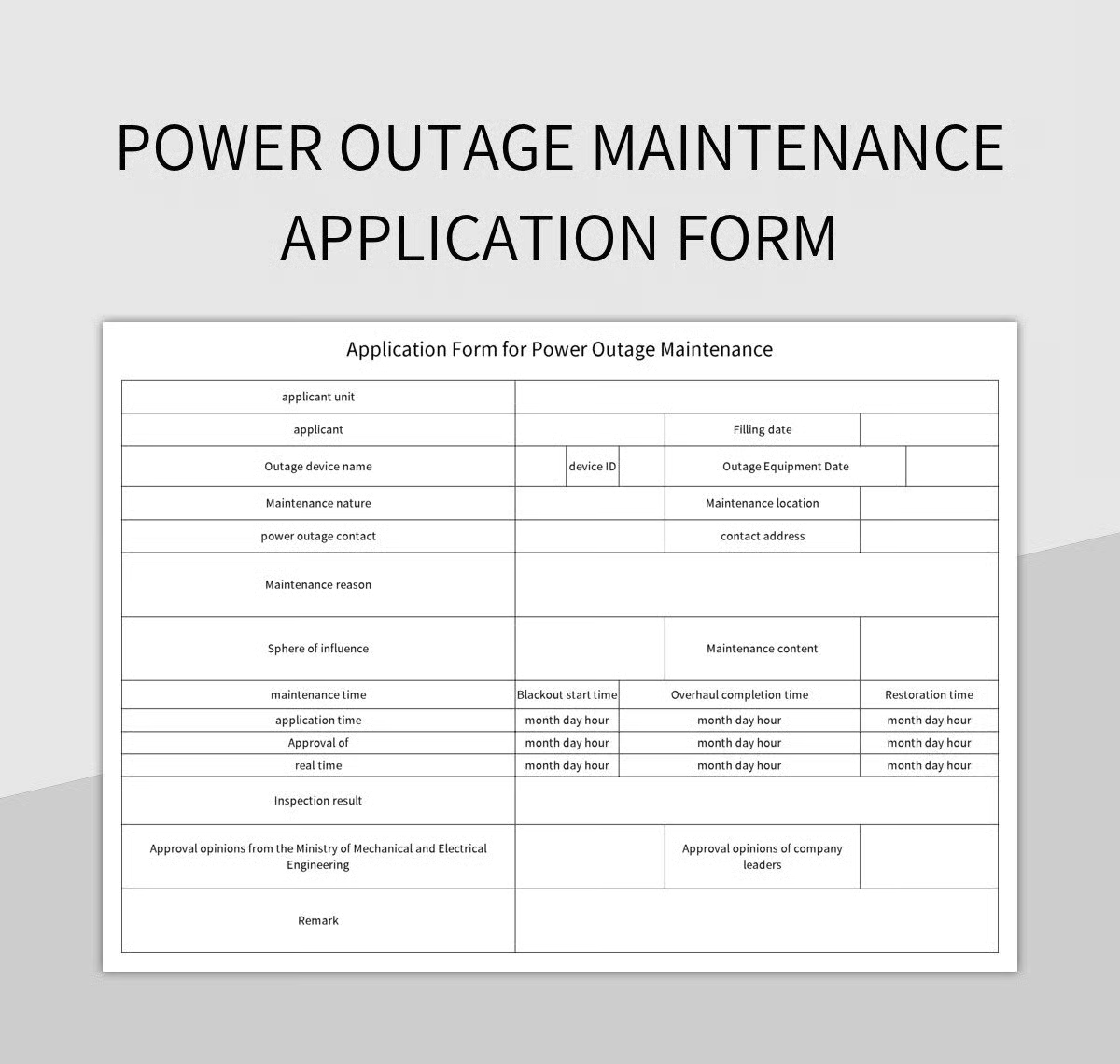
Introduction to Power Outages
Power outages are a common occurrence that can significantly disrupt daily life and pose danger to individuals and communities. Understanding their causes and impacts is crucial for preparedness and safety. As extreme weather events become more frequent due to climate change, awareness of power outages and their consequences is increasingly relevant.
Causes of Power Outages
Power outages can arise from various sources, including severe weather, equipment failure, and human error. According to the U.S. Department of Energy, storms are responsible for approximately 70% of power outages in the United States. Hurricanes, tornadoes, and blizzards can severely damage power lines and substations, leading to widespread outages. Additionally, equipment malfunctions, like transformer failures, can cause smaller, localized outages.
Other causes include planned outages for maintenance, which are necessary to ensure the long-term reliability of electrical systems. Utility companies often notify customers about such outages in advance. However, unexpected outages can happen, emphasizing the importance of having contingency plans in place.
Impact of Power Outages
The impact of power outages can be significant, affecting everything from personal safety to economic productivity. During prolonged outages, essential services such as heating, cooling, and medical equipment can become compromised. Vulnerable populations, including the elderly and those with medical conditions, may be at higher risk during outages.
Businesses also suffer during power outages, losing revenue and productivity. According to a report by the American Society of Civil Engineers, the economic impact of power outages can be in the billions annually due to revenue losses and costs associated with outages such as spoilage of food and disrupted supply chains.
Safety and Preparedness Measures
To mitigate the risks associated with power outages, individuals and communities can adopt several preparedness measures. This includes creating an emergency kit containing essential supplies, such as flashlights, batteries, non-perishable food, and water. It is also advisable to develop a family communication plan to ensure everyone knows what to do during an outage.
Staying informed about severe weather conditions and potential outages can help individuals and communities take proactive measures, such as securing backup power sources like generators. Local governments and utility companies often provide resources and tips to help residents prepare for outages.
Conclusion
Power outages are a critical issue that can have various causes and far-reaching impacts. As extreme weather events increase, understanding the nature of these occurrences becomes ever more important. By adopting safety measures and being prepared, individuals and communities can protect themselves from the adverse effects of power outages and ensure continuity in essential services.